

MISSION & HISTORY
MISSION STATEMENTFollowing the Ignatian tradition of excellence, the mission of Belen Jesuit as a Catholic, Jesuit, college preparatory school is to guide and support our students in their process of becoming men who are proficient in both English and Spanish, open to growth, intellectually curious, religious, loving, and committed to doing justice, so they can work as leaders for the defense of the faith and the promotion of justice in a multicultural society. |
WE BELIEVE THE FOLLOWING:
In the context of the Catholic faith and the Ignatian tradition, we believe the following:
- Every human being is uniquely created in the image and likeness of God and should be treated with respect and dignity.
- Belen is committed to serving the Catholic faith and promoting justice.
- Faith is developed and justice is promoted through the examples set by every member of the school community.
- The development of a heightened awareness of relationships with others fosters citizenship.
- Character formation takes place through the development of consistent self-discipline, learning the consequences of personal actions, and taking full responsibility for them.
- Students become well-rounded individuals through their participation in curricular and extracurricular activities.
- A diverse program of extra-curricular activities promotes students’ personal growth and development.
- Student needs are the primary focus in all decisions that impact the school.
- The pedagogy of St. Ignatius of Loyola and his Spiritual Exercises serve as the basis for the planning and execution of all pedagogical materials, as well as for faculty training.
- A student-centered curriculum creates an environment where students are taught to learn and continue doing so beyond high school graduation.
- Bilingual and bicultural settings and curricula better prepare our students to live and work in a multicultural society.
- A physical setting that responds to our students' needs and safety and fosters a conducive learning environment that helps develop each student.
THE JESUIT TRADITION
The Society of Jesus is a Roman Catholic religious order founded in 1540 by Pope Paul III at the request of Saint Ignatius of Loyola. Rooted in Ignatian spirituality, the Jesuits are dedicated to helping people live according to Christ’s example of love, service, and justice. Their guiding motto, Ad Majorem Dei Gloriam — “For the Greater Glory of God” — expresses the heart of their mission.
Since its founding, the Jesuit order has been committed to evangelization and education. From the very beginning, Jesuits have served as both missionaries and educators, establishing schools and universities around the world that are known for academic rigor, spiritual formation, and a commitment to forming "Men and Women for Others."

Years of Excellence
1854
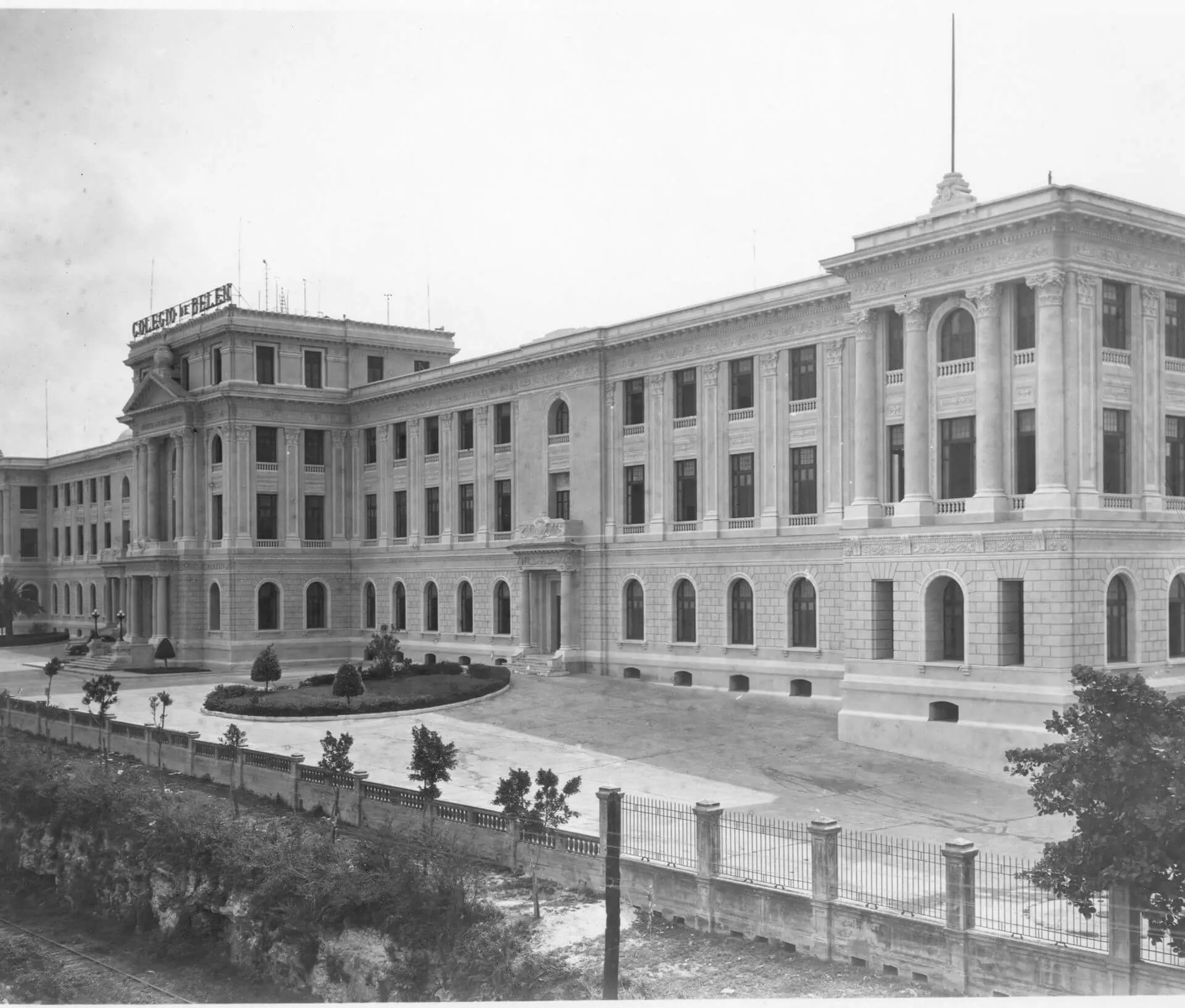
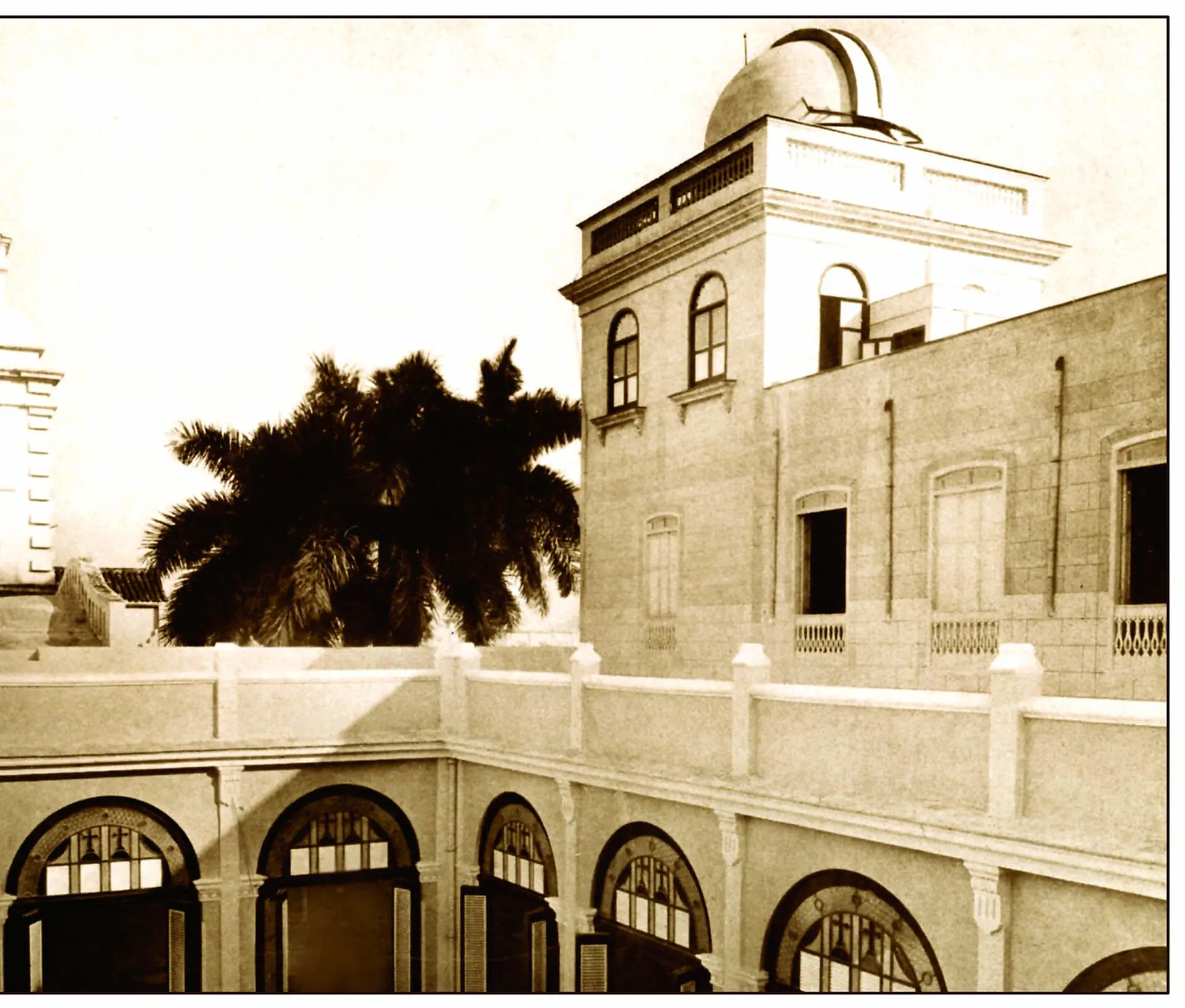
Her Majesty Queen Isabel II of Spain grants a royal charter establishing Colegio de Belén in Havana, Cuba. The school begins its educational mission in a former convent and hospital named after Our Lady of Belen, from which the school derives its name.
1925
Sixty acres of land and several buildings are donated to the school, forming a campus later known as The Palace of Education.
1961
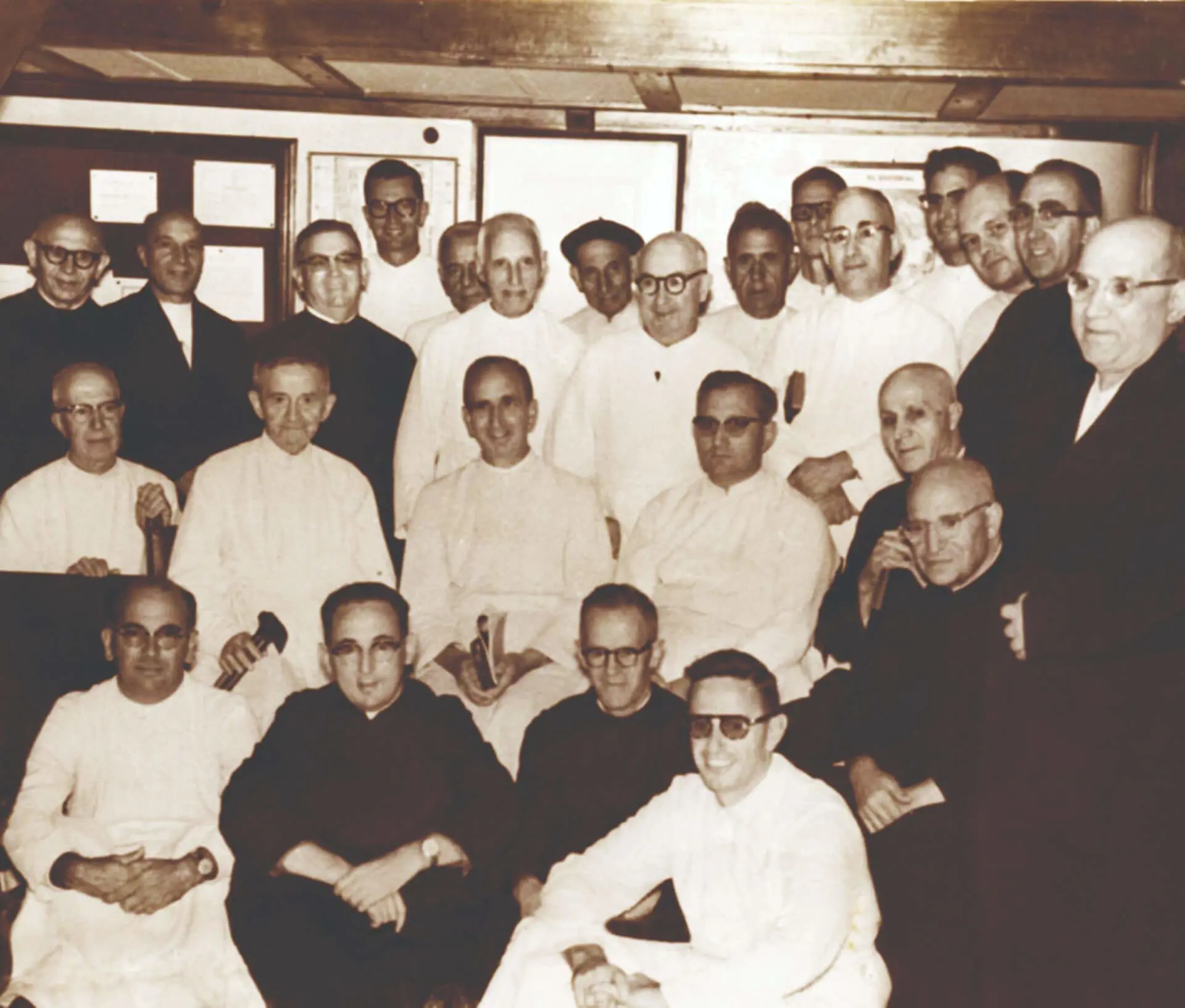
The Cuban military arrested 131 priests and deported them aboard the Spanish vessel, the Covadonga, on September 13, 1961. Among them were 26 Jesuit priests.
Following the confiscation of its property by the Cuban government, Belen Jesuit is re-established in Miami. The school’s first U.S. location is on the fourth floor of the Gesu Elementary School building in downtown Miami.
1962
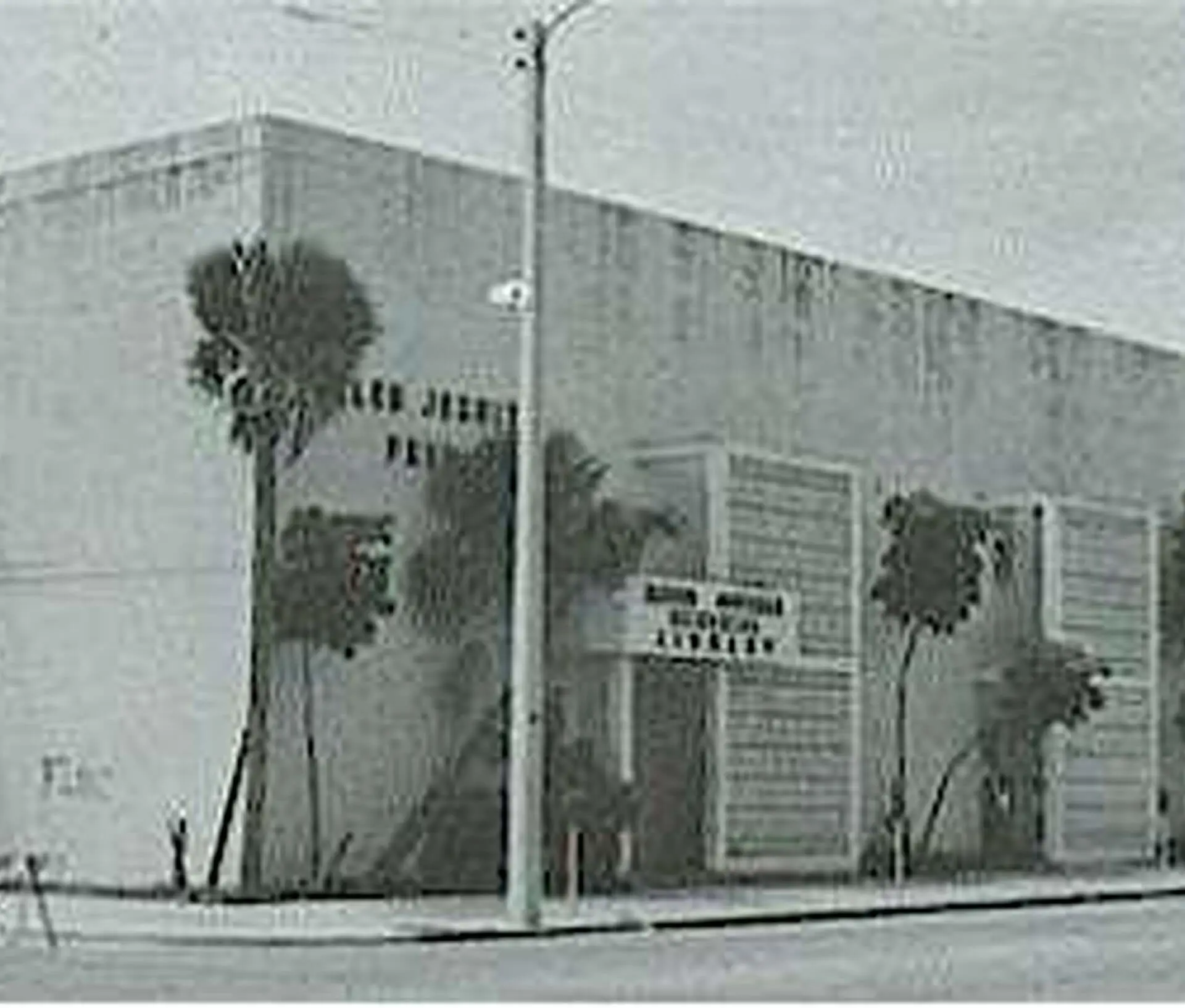
Belen acquires its own facility and relocates to the corner of SW 8th Street and 7th Avenue.
1980
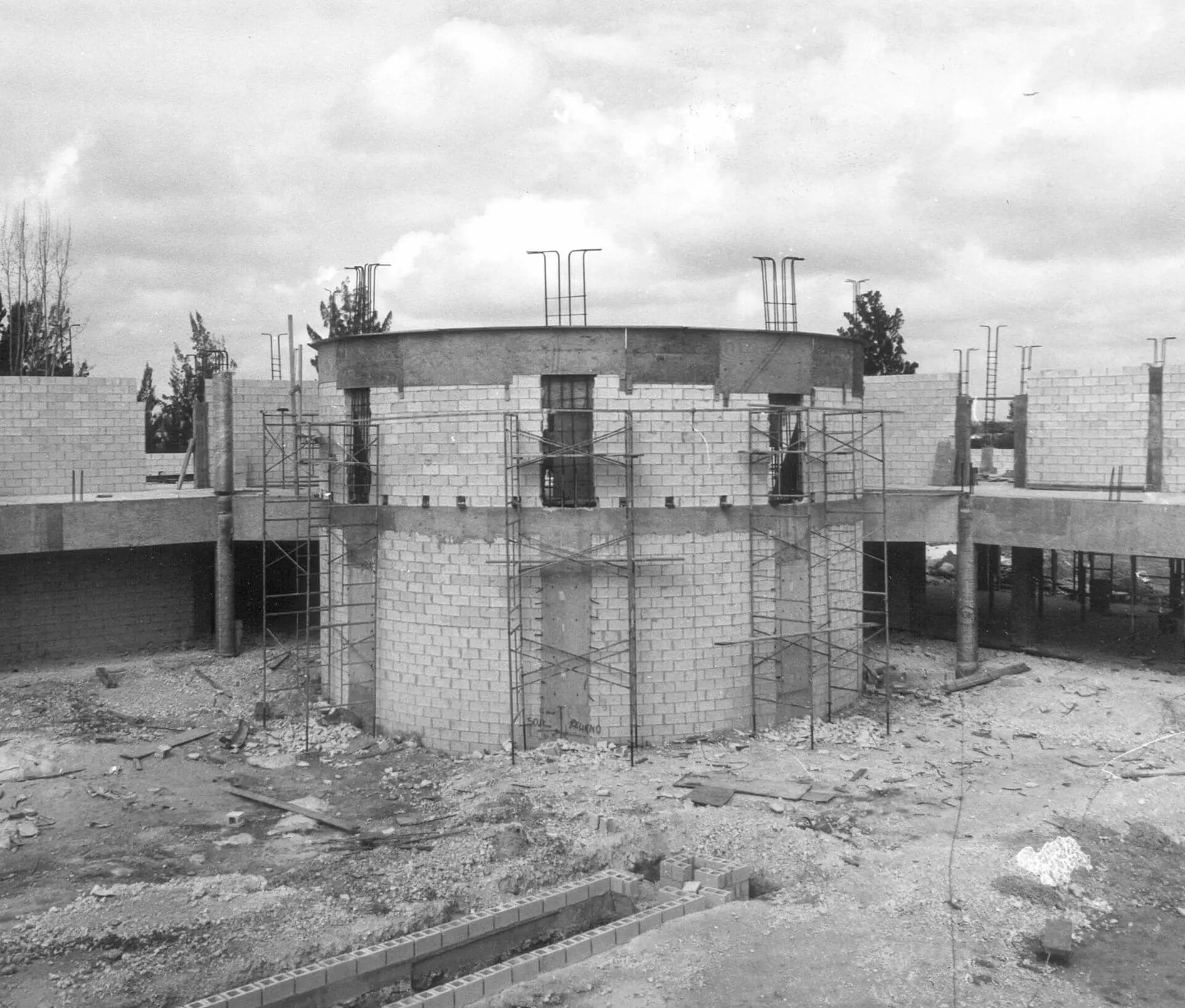
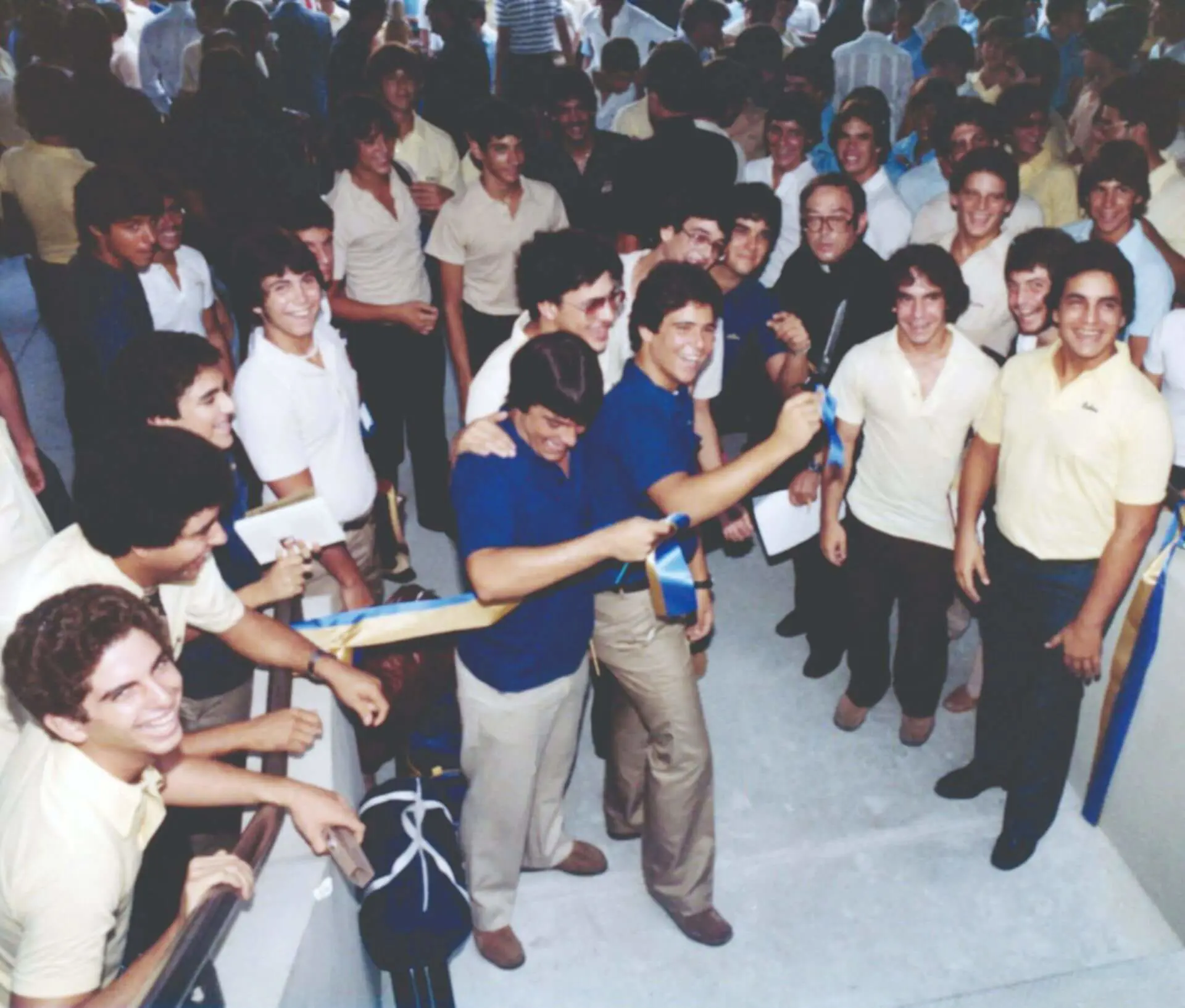
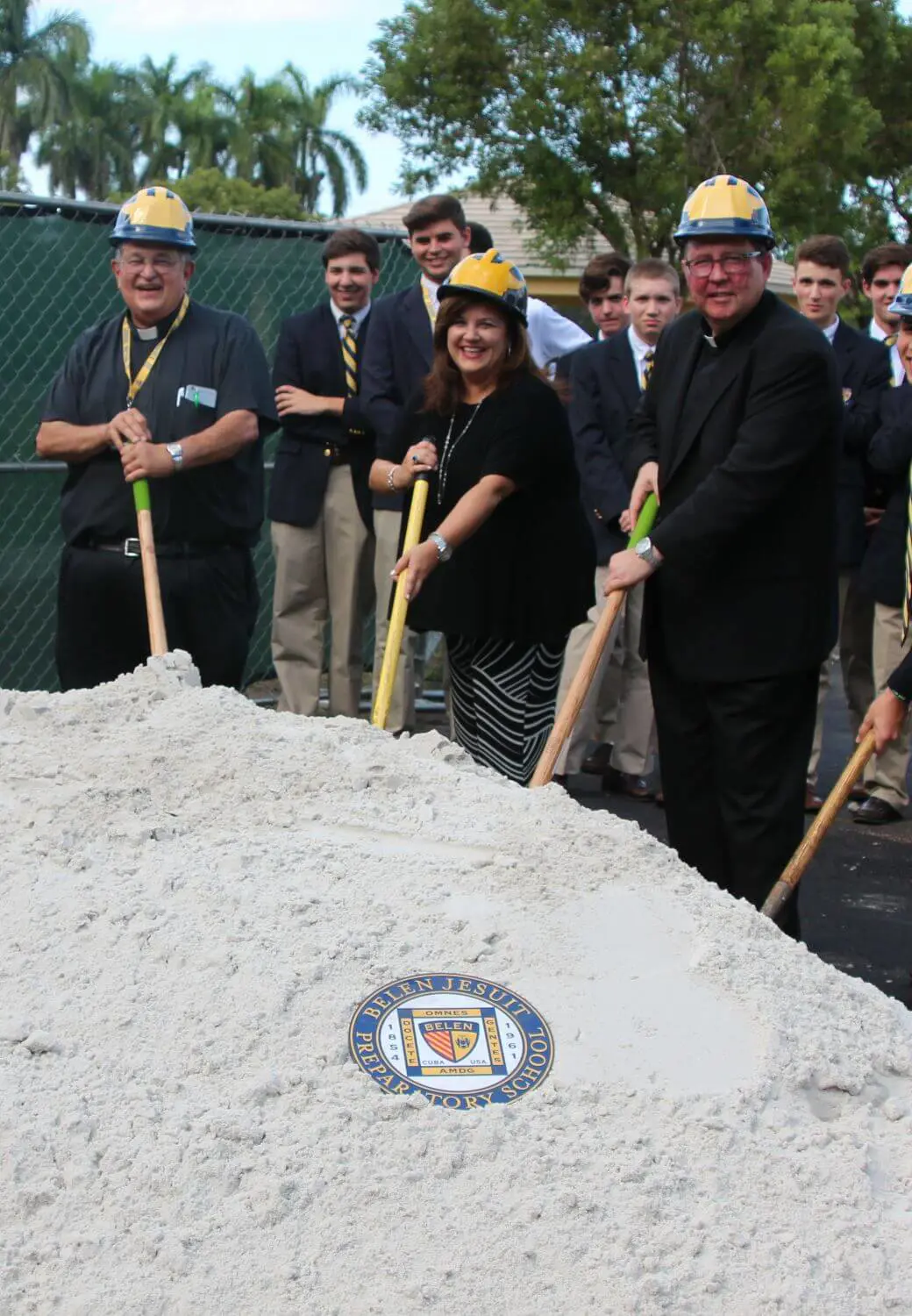
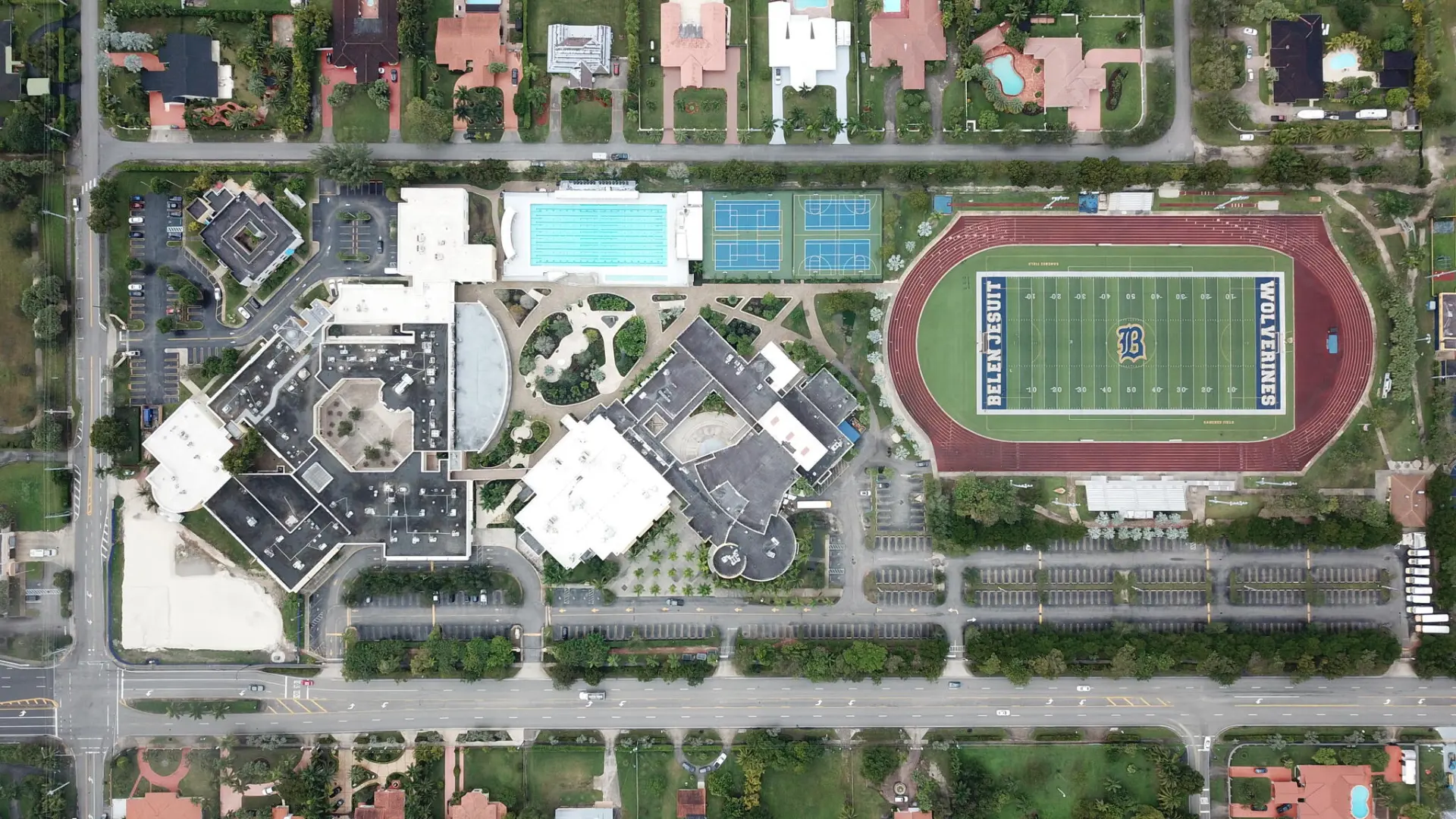
Groundbreaking ceremony is held for a new, permanent campus on a 30-acre site in western Dade County.
1981
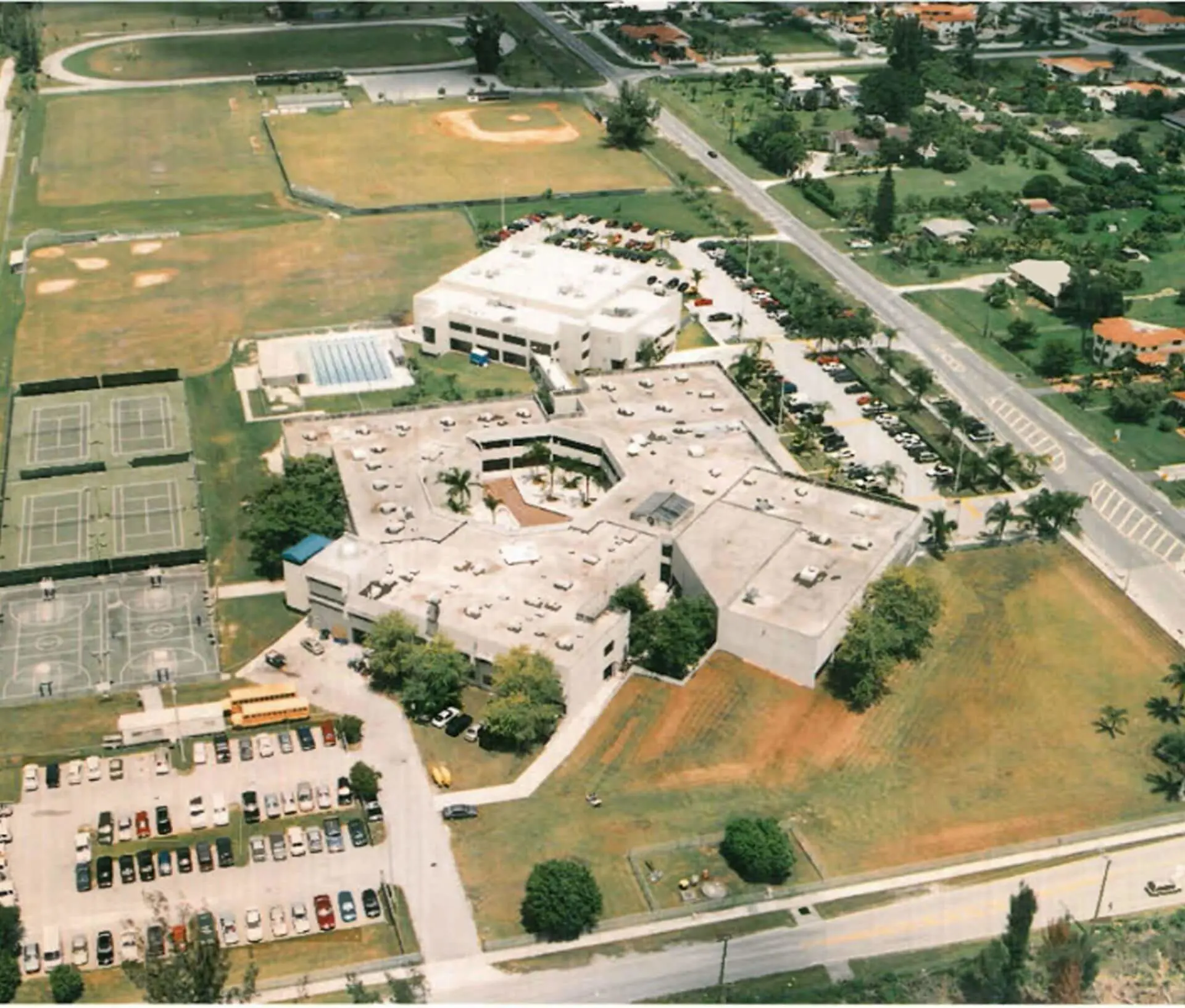
Belen opens its new campus for the 1981–82 academic year with 598 students.
1992
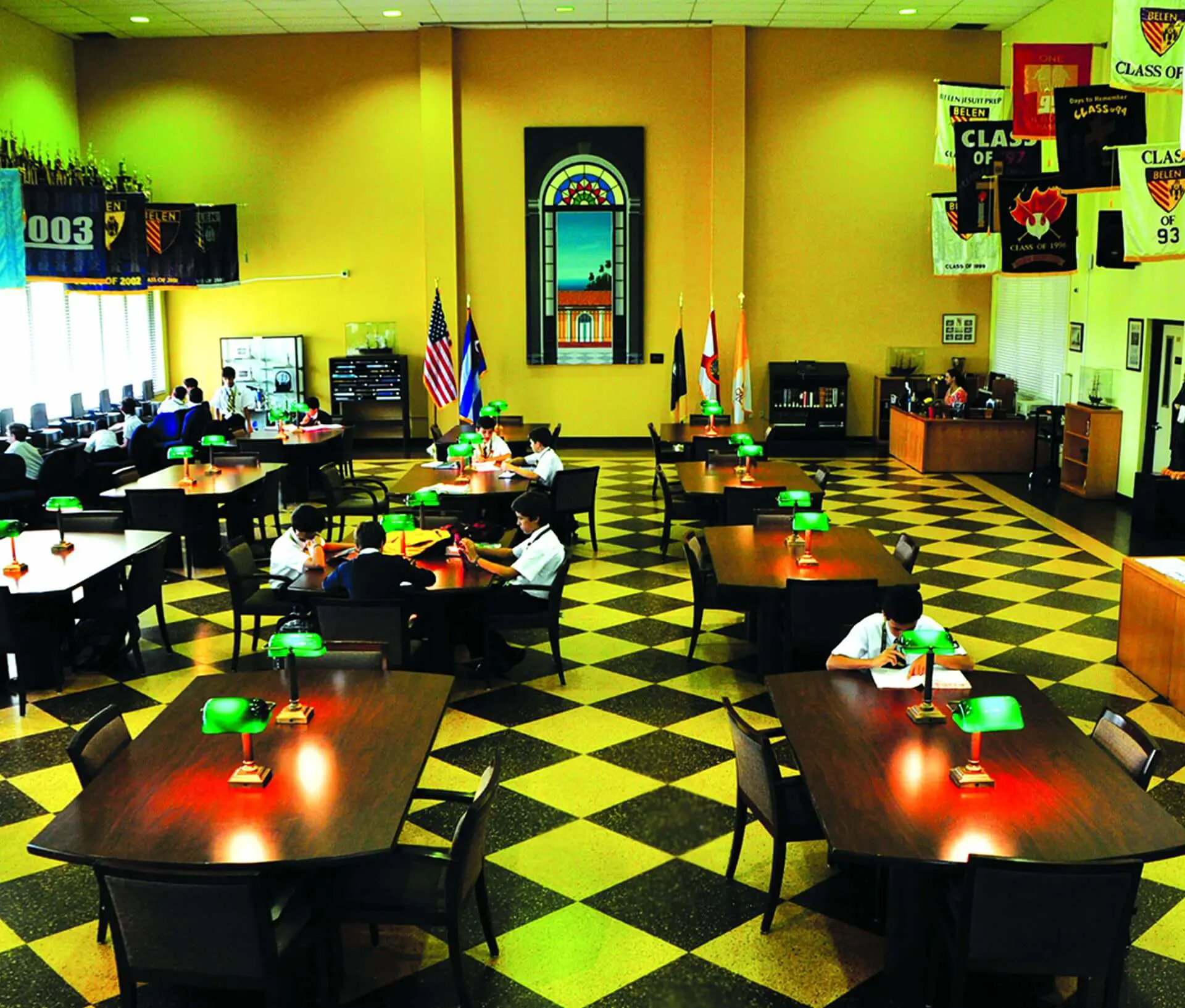
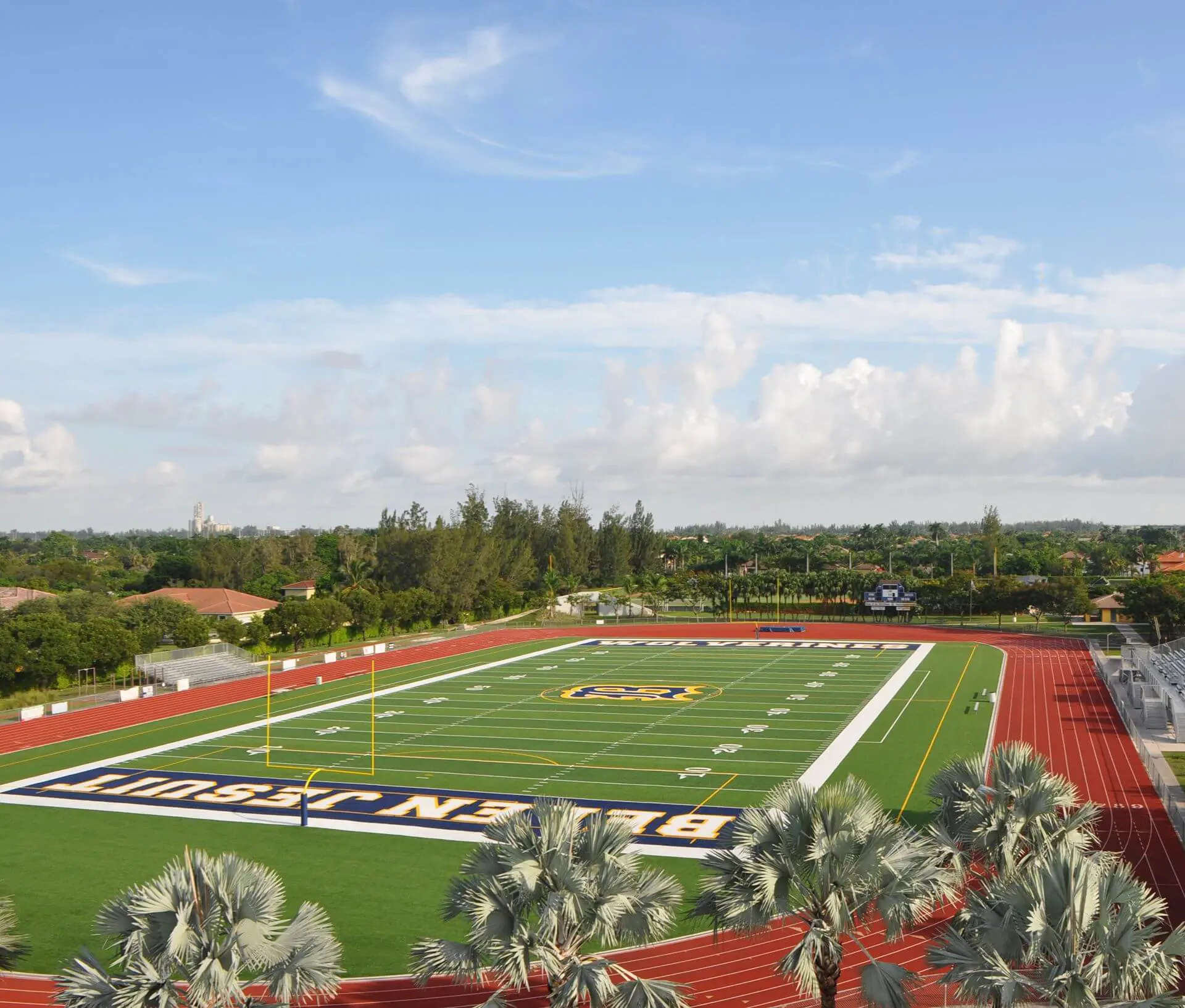
New language and computer labs, classrooms, and a remodeled library have been completed. A track and a parking lot have been added.
1995
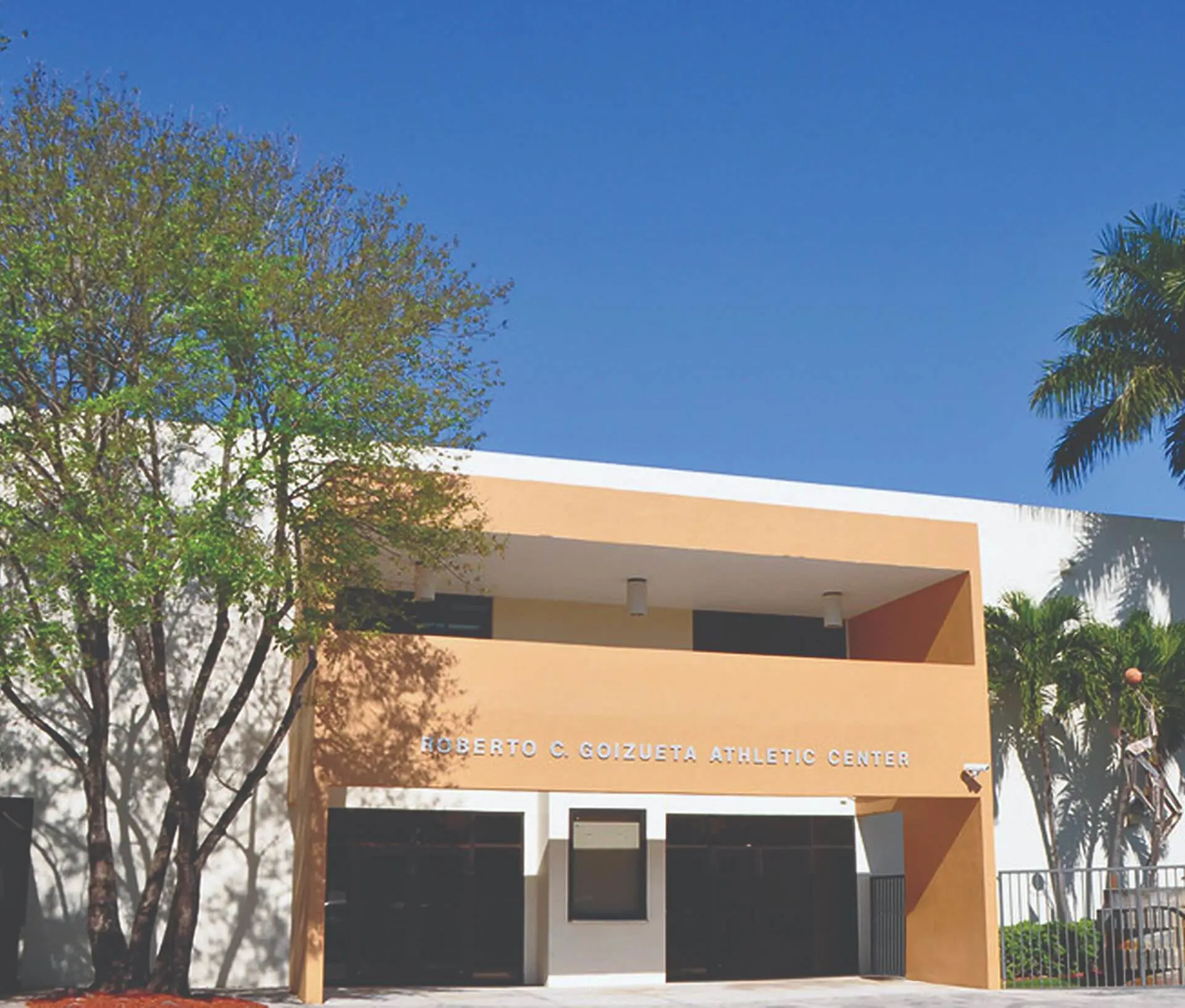
The Roberto C. Goizueta Athletic Center is inaugurated. Classroom technology is updated, and new classrooms are added.
1996
Belen Jesuit receives full accreditation from the Southern Association of Colleges and Schools (SACS).
1998
The Vincam Wing opens, including eight classrooms, a larger cafeteria, and a guest dining room.
2002
Villa Javier (Jesuit residence) and the Raúl and Nidia Rodríguez Science Pavilion are inaugurated. New basketball and tennis courts are completed.
2003
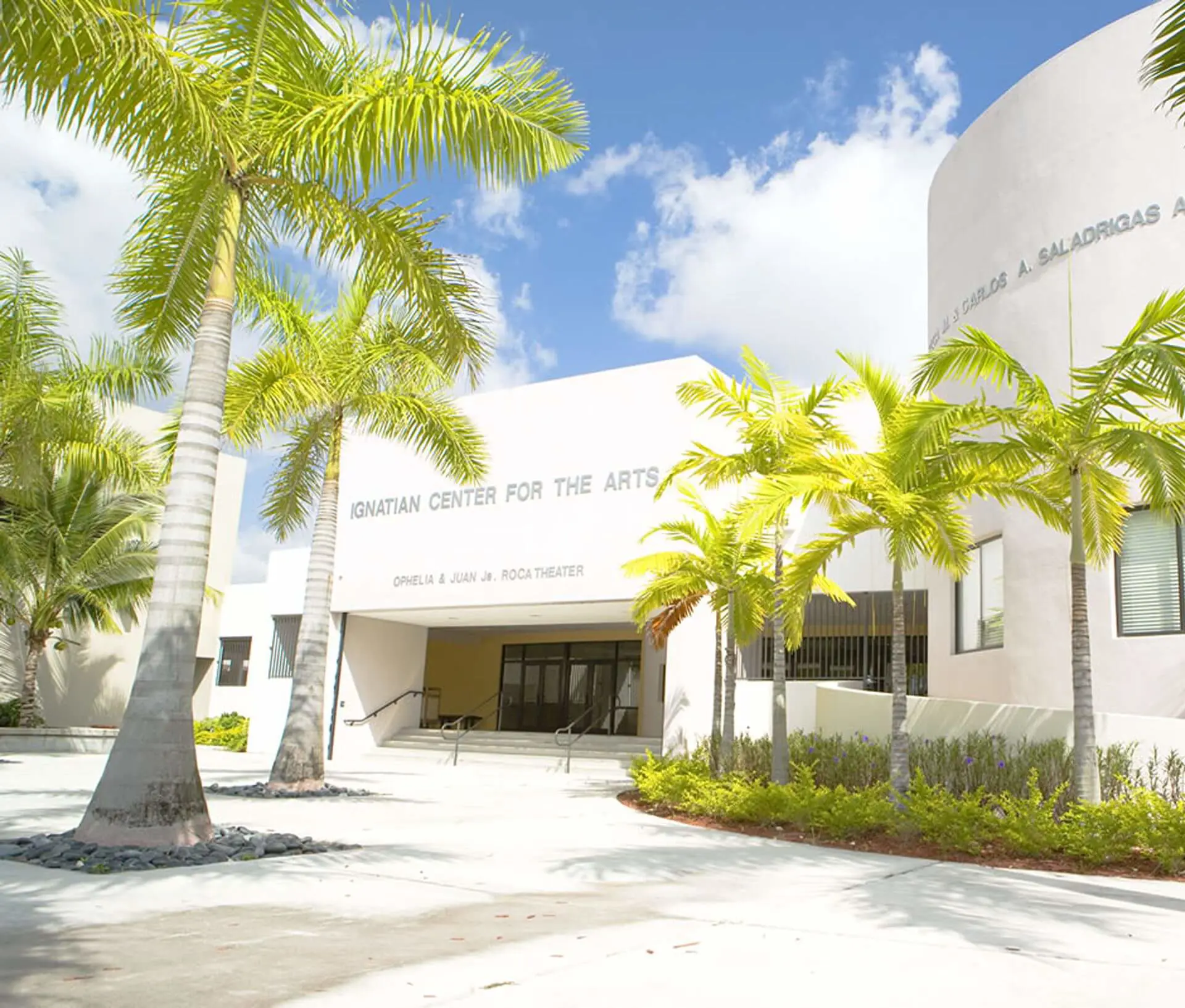
The Ignatian Center for the Arts opens, featuring a theater, art gallery, music rooms, and classrooms. Athletic facilities are also renovated.
2008
The Administration Building is completed, housing the President’s Office, Advancement, Admissions, Registrar, Business Office, Alumni Relations, Copy Center, and Cosculluela Dining Hall.
2011
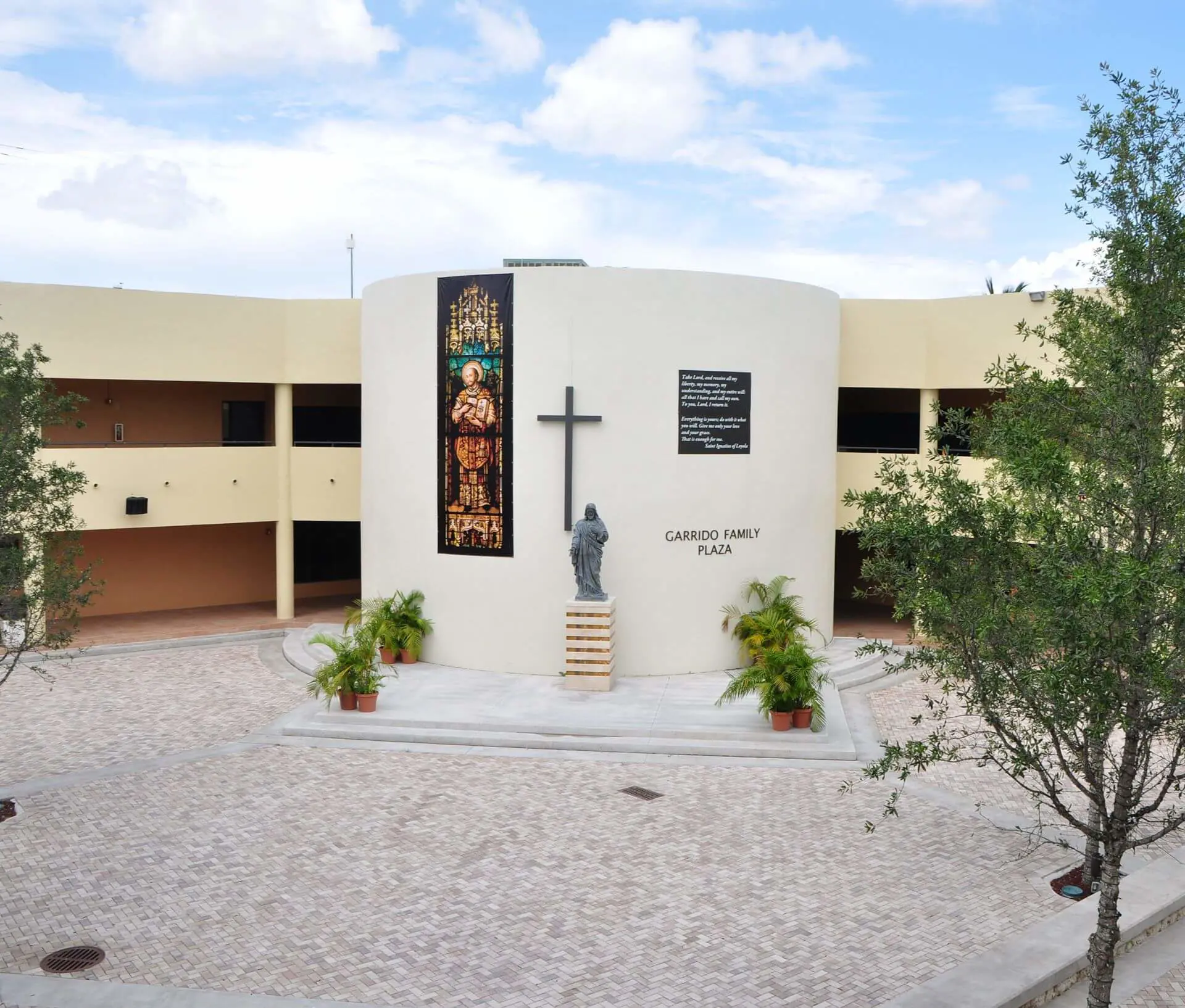
Belen celebrates its Golden Jubilee. Humberto Calzada’s painting Ecos de un Belén lejano is unveiled. The central patio is renovated and renamed Garrido Family Plaza.
2012
A one-to-one iPad program and digital textbooks are introduced. The newly named Sánchez Field debuts with artificial turf.
2013
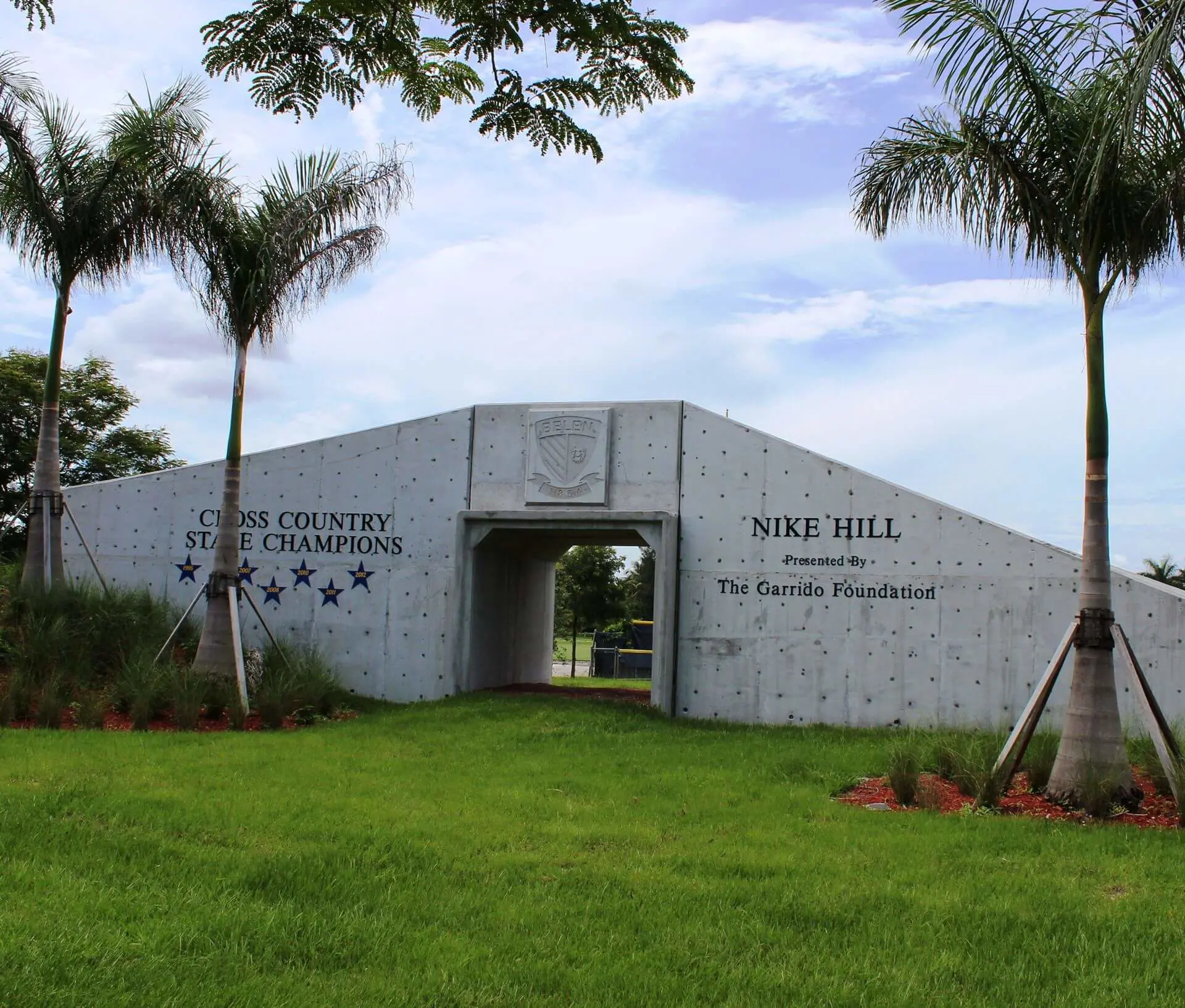
A statue of St. Ignatius of Loyola is installed and blessed. Nike Hill & Tunnel is inaugurated to extend the cross-country trail.
2014
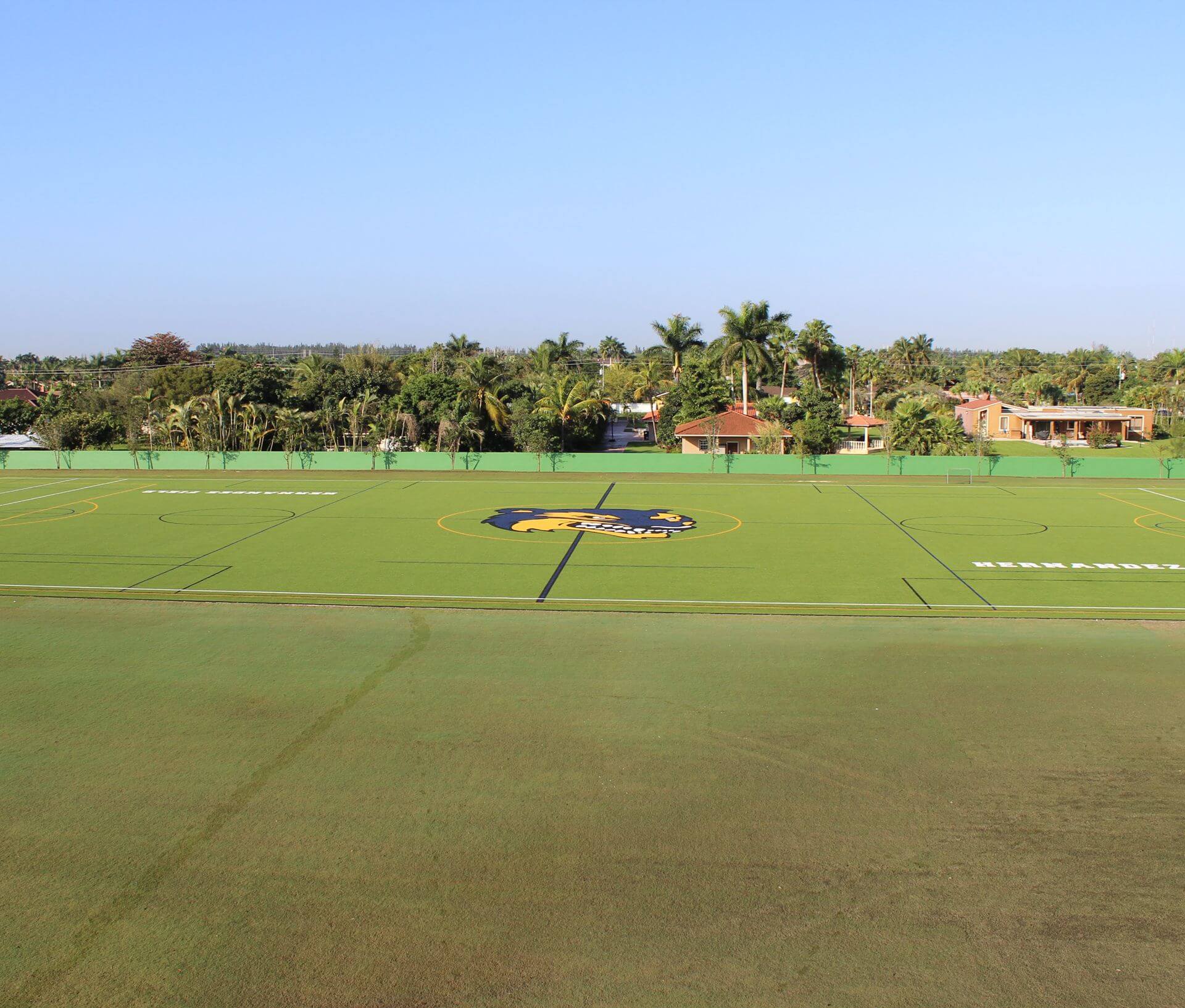
Hernández Field, a multipurpose artificial turf field, opens.
Men for Others: The Belen Jesuit Story by Zeida Sardiñas is published.
2015
Construction begins on a new cafeteria and kitchen, envisioned as a versatile dining and community space.
2016
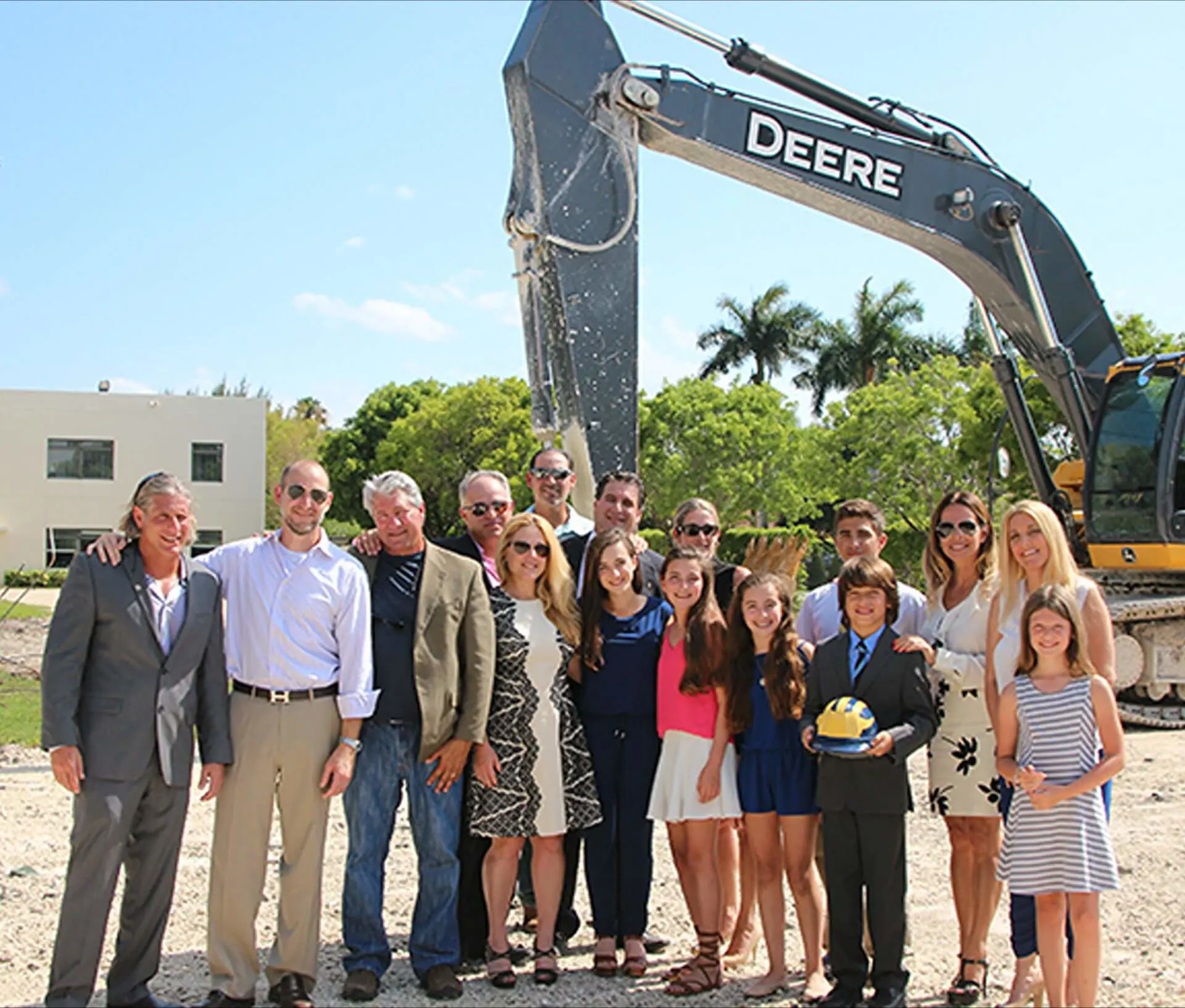
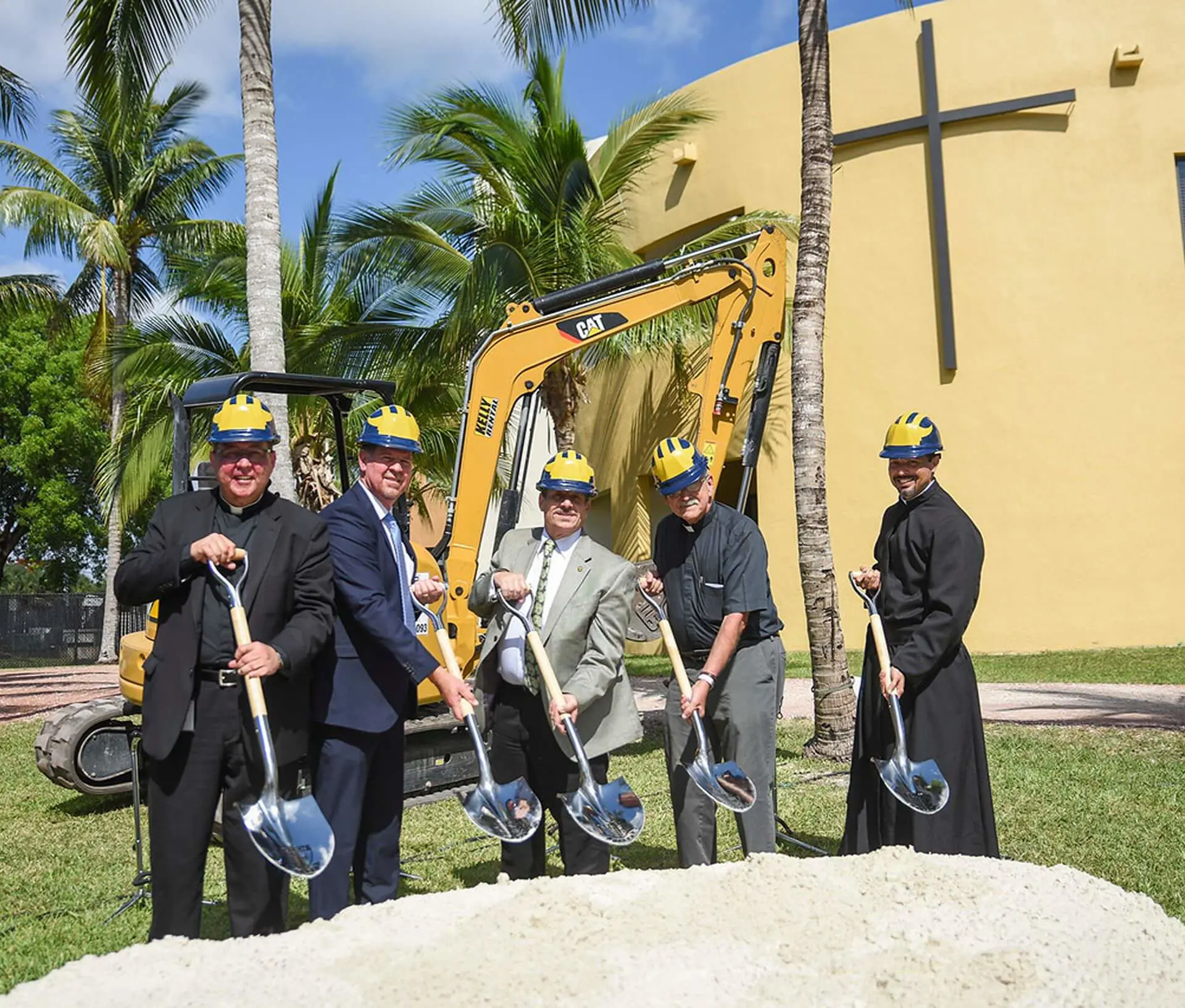
Ground is broken on the Gian Zumpano Aquatic Center. The Chapel of the Immaculate Conception is renovated and blessed in the Garrido Family Plaza.
2017
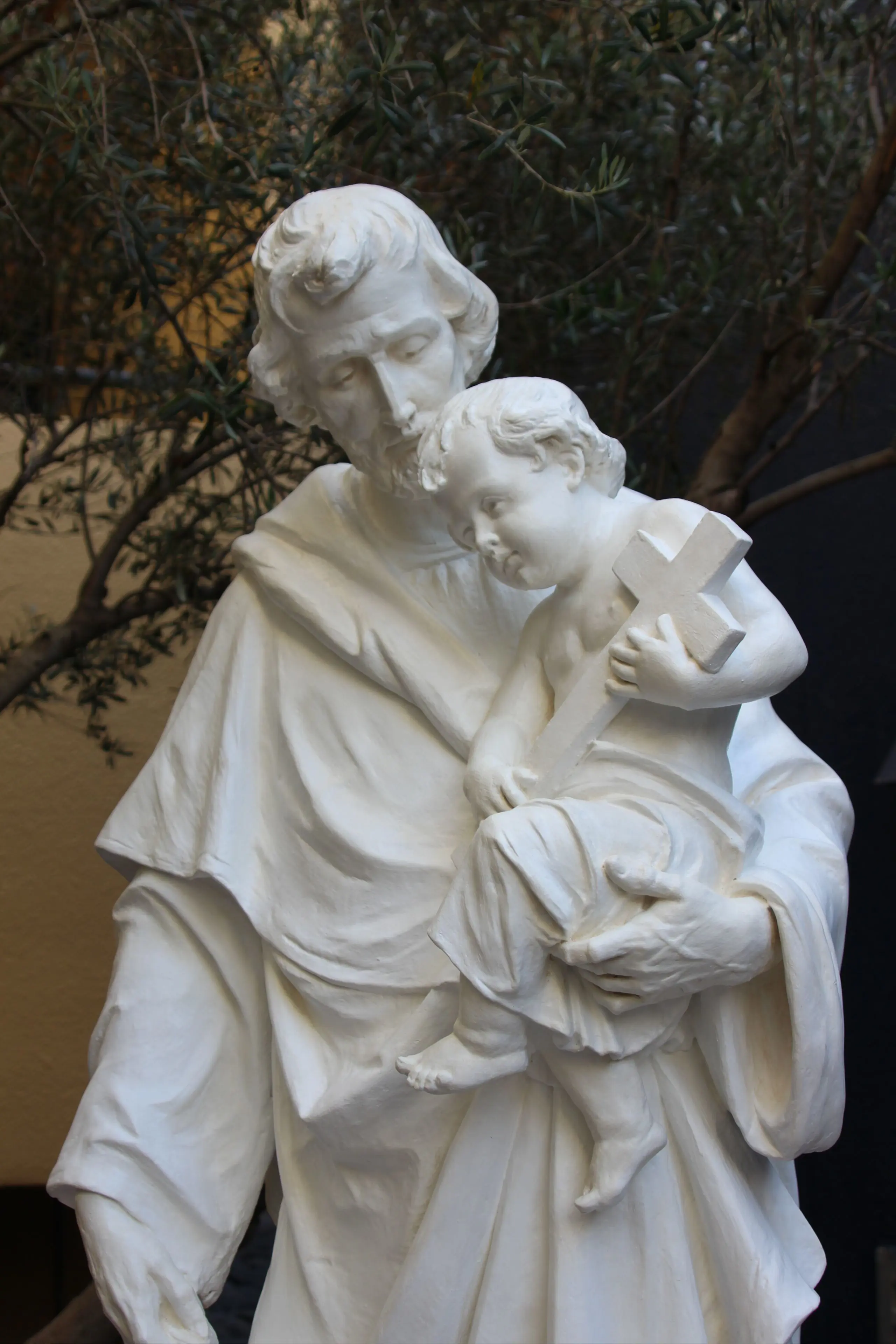
St. Joseph’s Patio is renovated and blessed. The new Dining Hall opens for the 2017–18 school year.
2018
The Gian Zumpano Aquatic Center is dedicated. Father García-Tuñón honors Gian Zumpano’s legacy as a “Man for Others.”
2019
Multi-use courts are added behind the Aquatic Center.
Construction begins on Our Lady of Belen Chapel.
Night games begin under new field lights.
The For the Greater Glory capital campaign is publicly launched.
Arroyo Quad is dedicated to honoring Jesuits who served at Belen.
2020
Fides Et Ratio Patio, featuring a statue of Fr. Matteo Ricci, S.J., is blessed.
The COVID-19 pandemic forces Belen to pivot to distance learning.
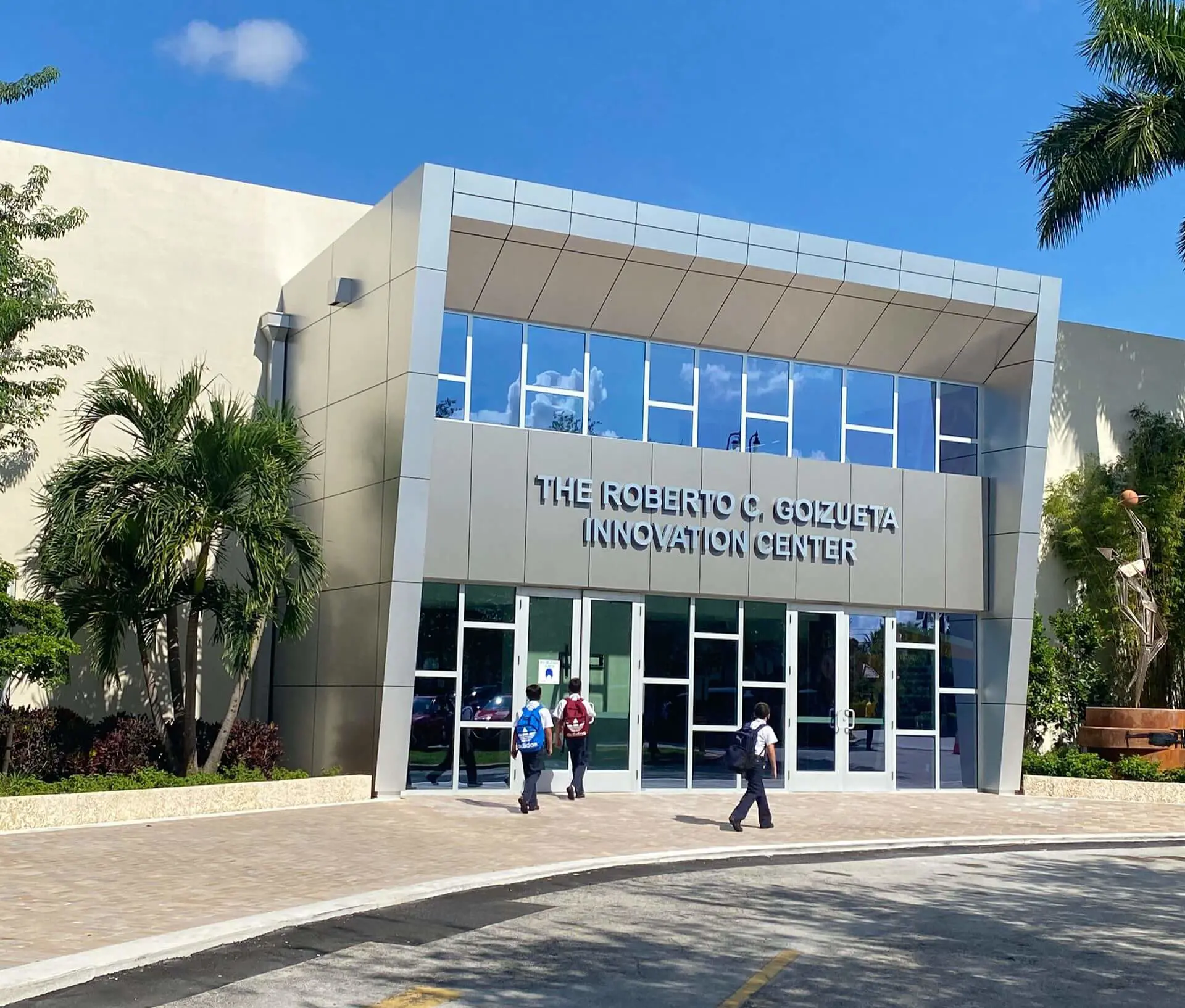
The Roberto C. Goizueta Innovation Center opens, supporting STEAM, Robotics, and Engineering programs.
2021
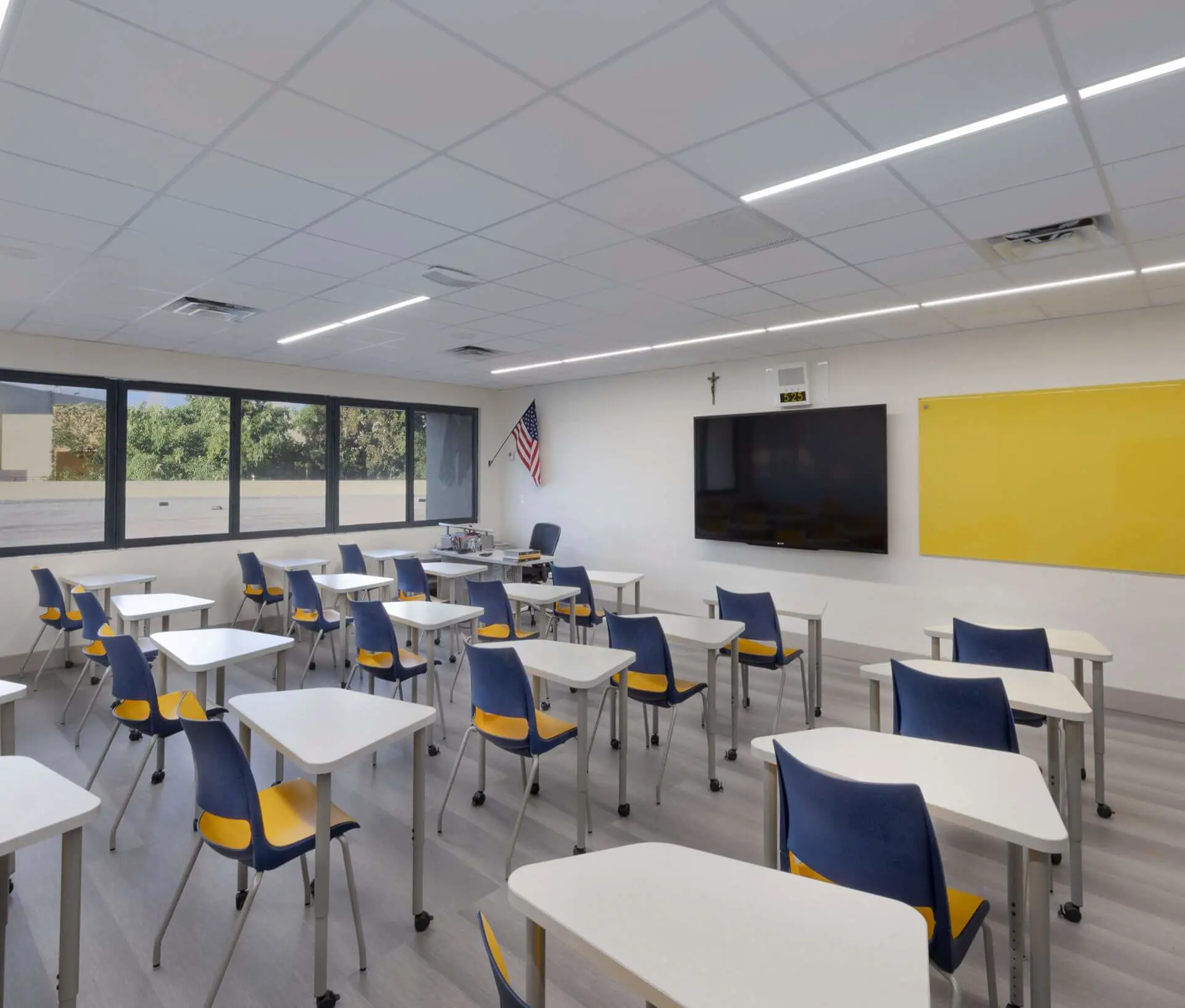
Classroom renovation project begins, modernizing learning spaces with new design, technology, and furniture.
2022
A statue of St. Aloysius Gonzaga is blessed in the new Gonzaga Pit.
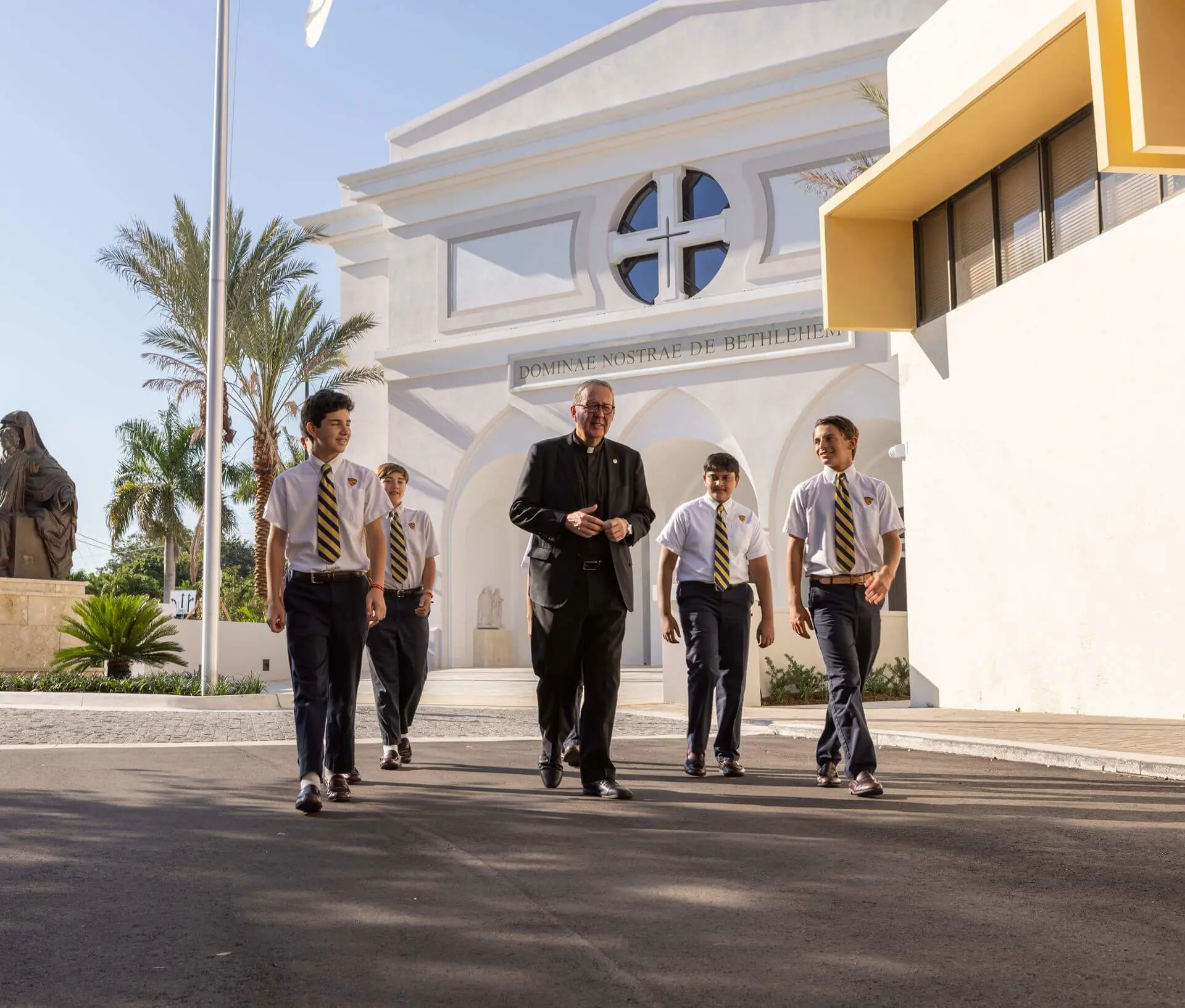
Our Lady of Belen Chapel is formally dedicated.
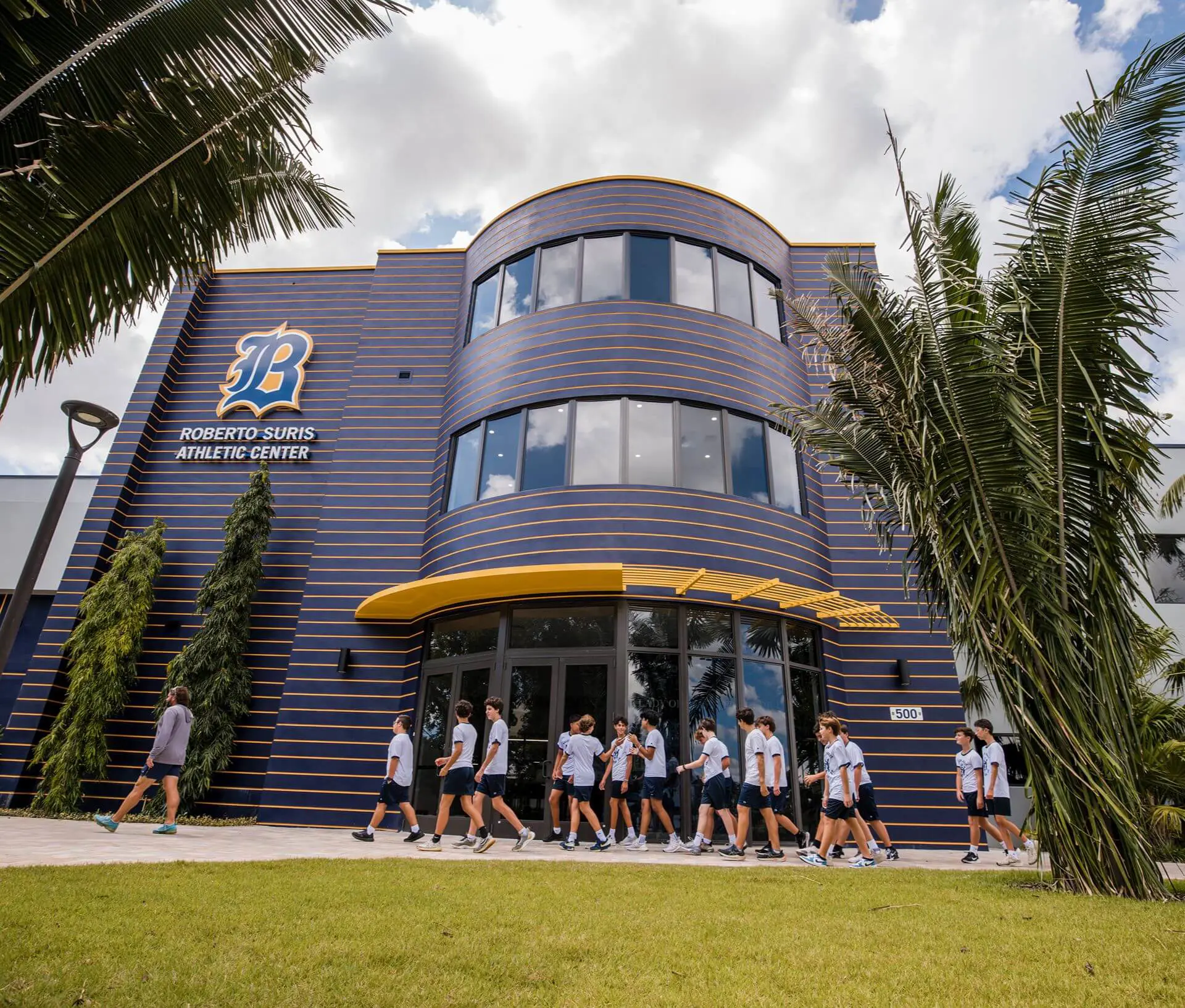
Construction begins on the 60,000 sq. ft. Roberto Surís Athletic Center.
2023
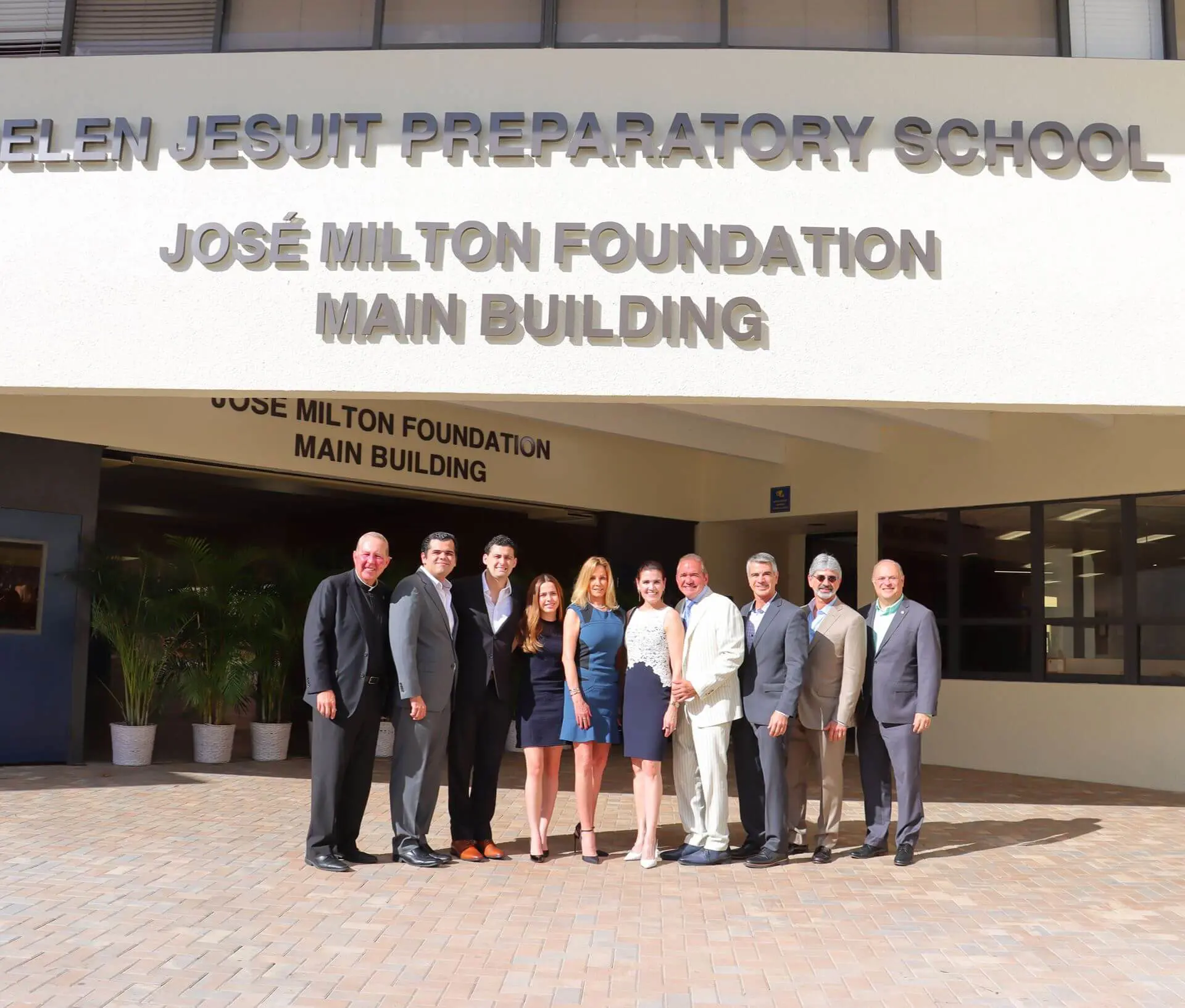
The school’s main building is renamed the José Milton Foundation Building.
The Communications Center is renamed Conde Media Center.
The Innovation Center’s main court is named Leyva Court, honoring the Leyva family legacy.
2024
Turf upgrades and new facilities at the baseball field mark the creation of Maury Park, part of a reimagined athletics complex including De la Cruz Stadium, Café Belen, and Nike Hill.
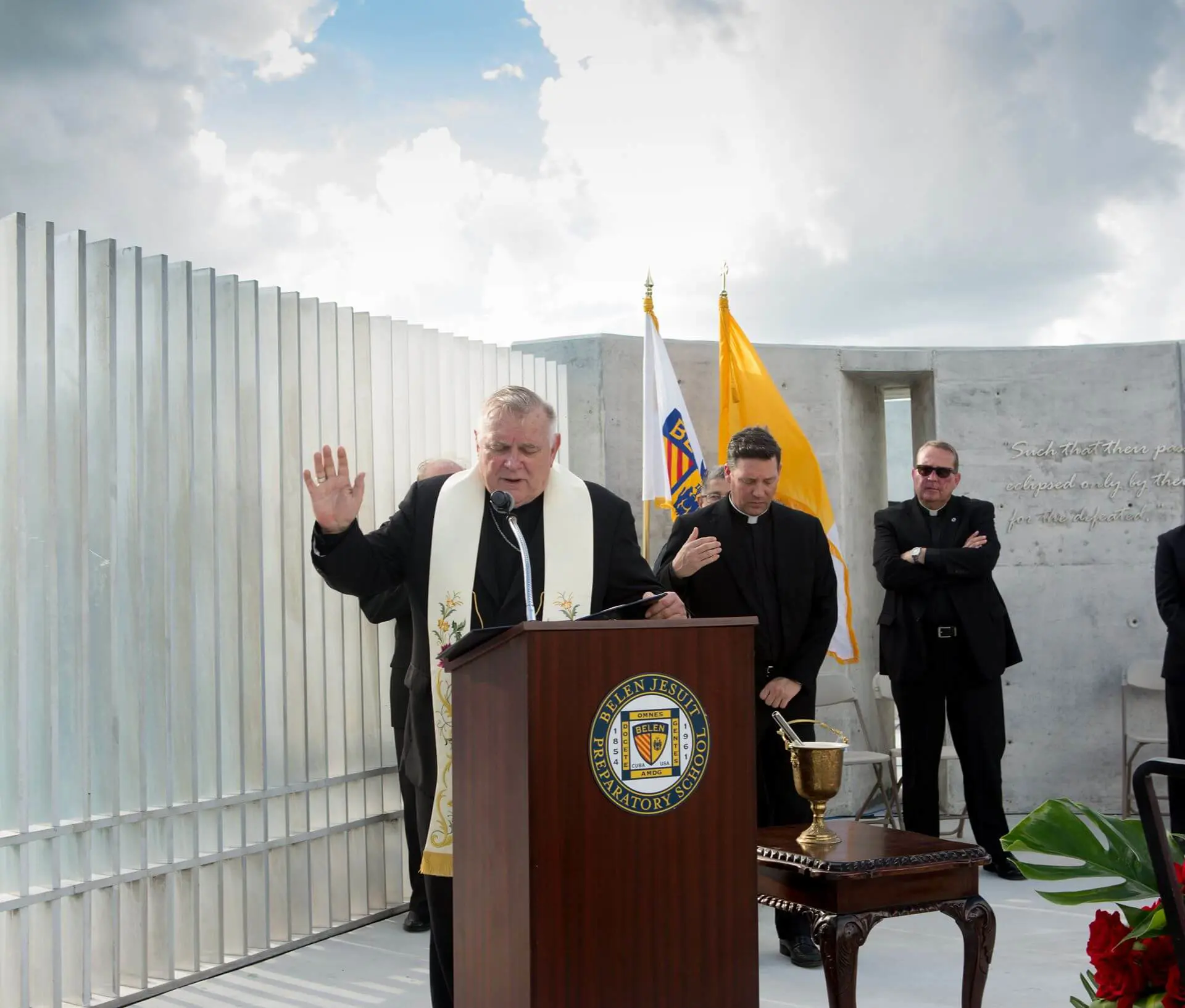
On September 27, the Roberto Surís Athletic Center is blessed by Archbishop Thomas Wenski.
2026
Belen Jesuit Preparatory School proudly celebrated the dedication of Maury Park on February 5, 2026, marking the official opening of its state-of-the-art baseball complex. The ceremony was led by School President Fr. Guillermo García-Tuñón, S.J. ’87, and included benefacto Albert R. Maury, President/CEO at Leon Medical Centers Health Plans, Inc. and his family.
The complex features two state-of-the-art turf fields with dugouts and bleacher seating for 300 spectators. Highlights include the Curbelo Family Indoor Baseball Facility for year-round training, a university-style varsity locker room, the Nick Martinez ’08 Scoreboard—standing 12’6” tall and 28’3” wide and powered by 331,776 pixels for vivid animations—and the Marquez Family Middle School Baseball Field. The scope of the project is evident throughout: the press box awning alone weighs more than 40,000 pounds; 9,000 square feet of Dominican limestone were installed across the complex; and an additional 35,000 square feet of pavers complete the surrounding area.
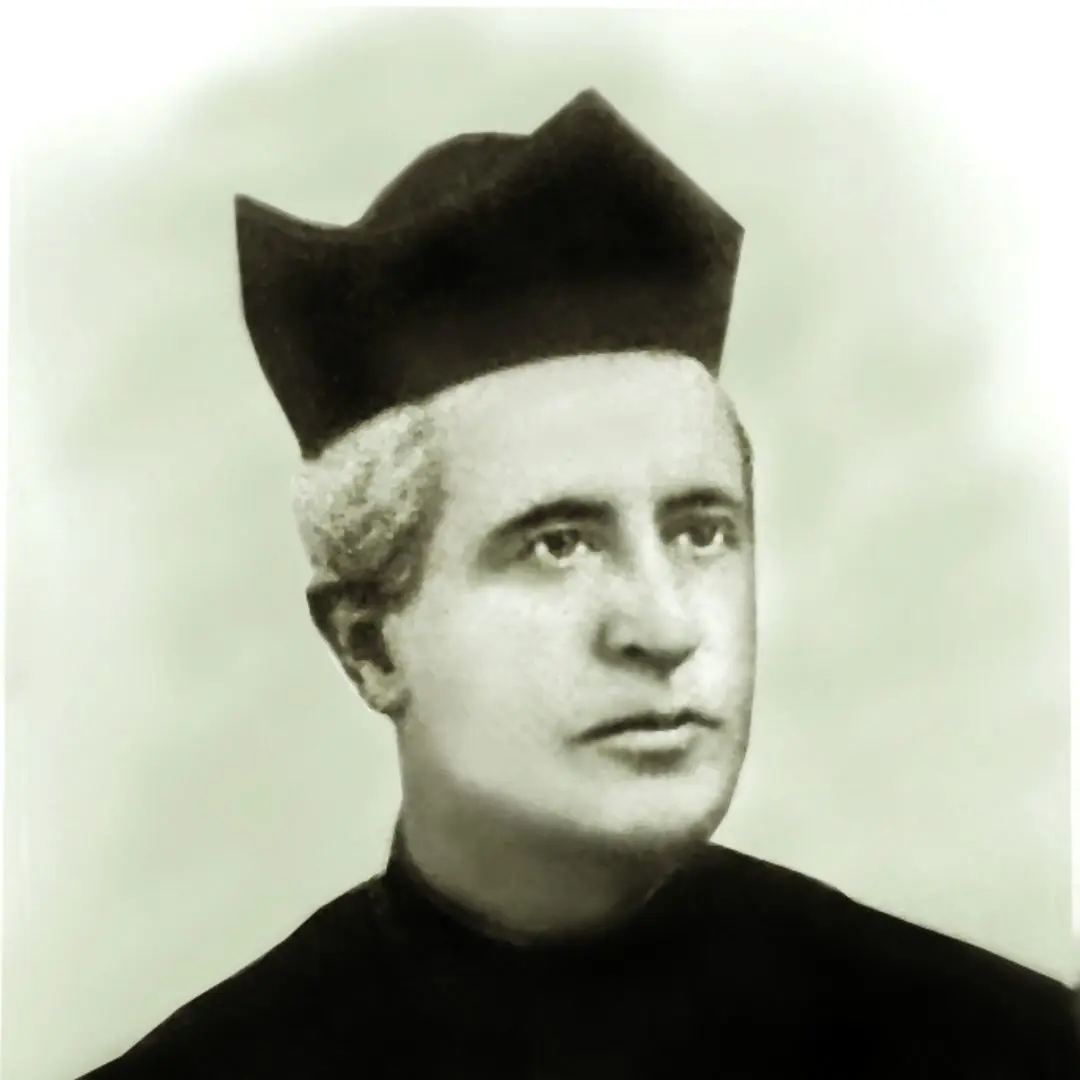
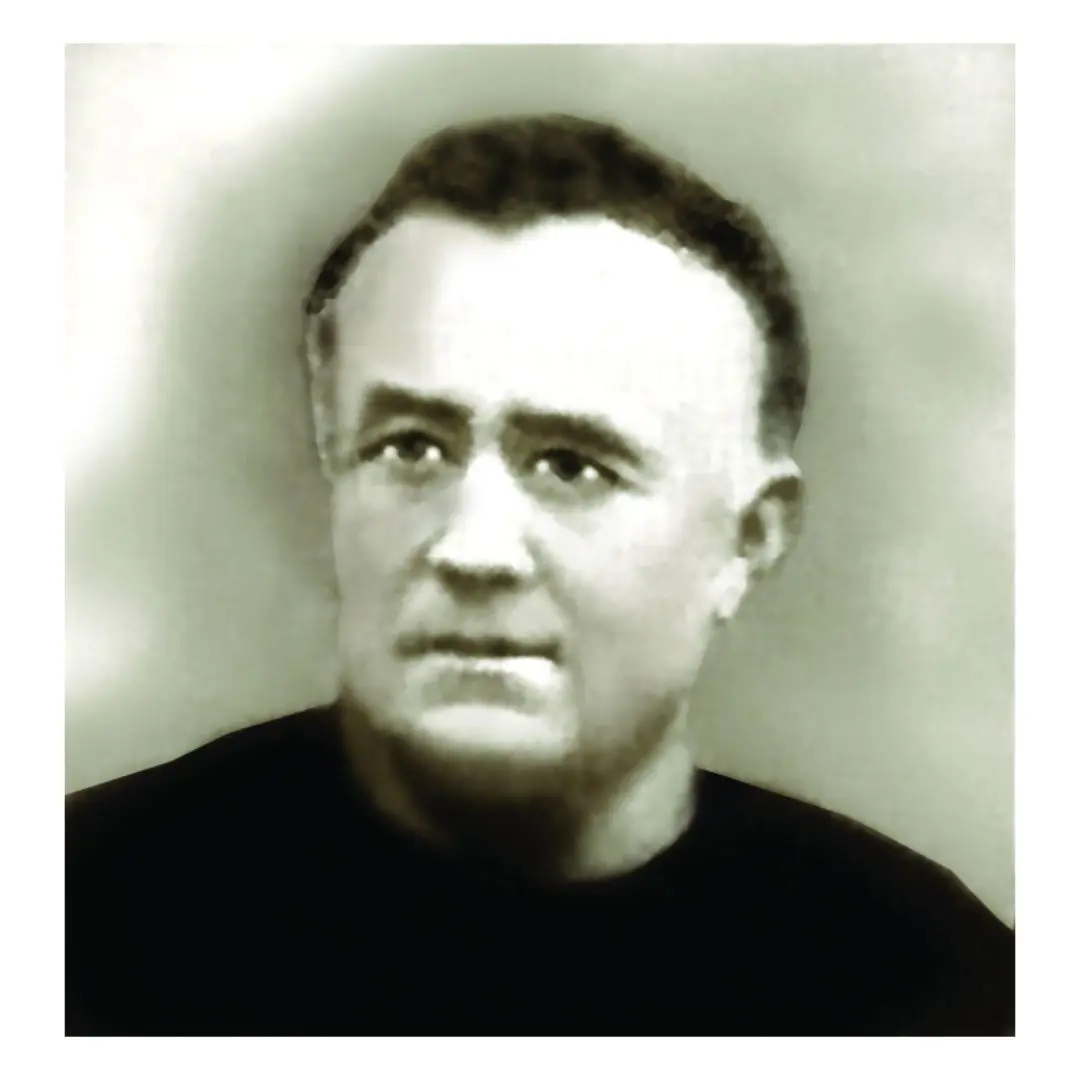
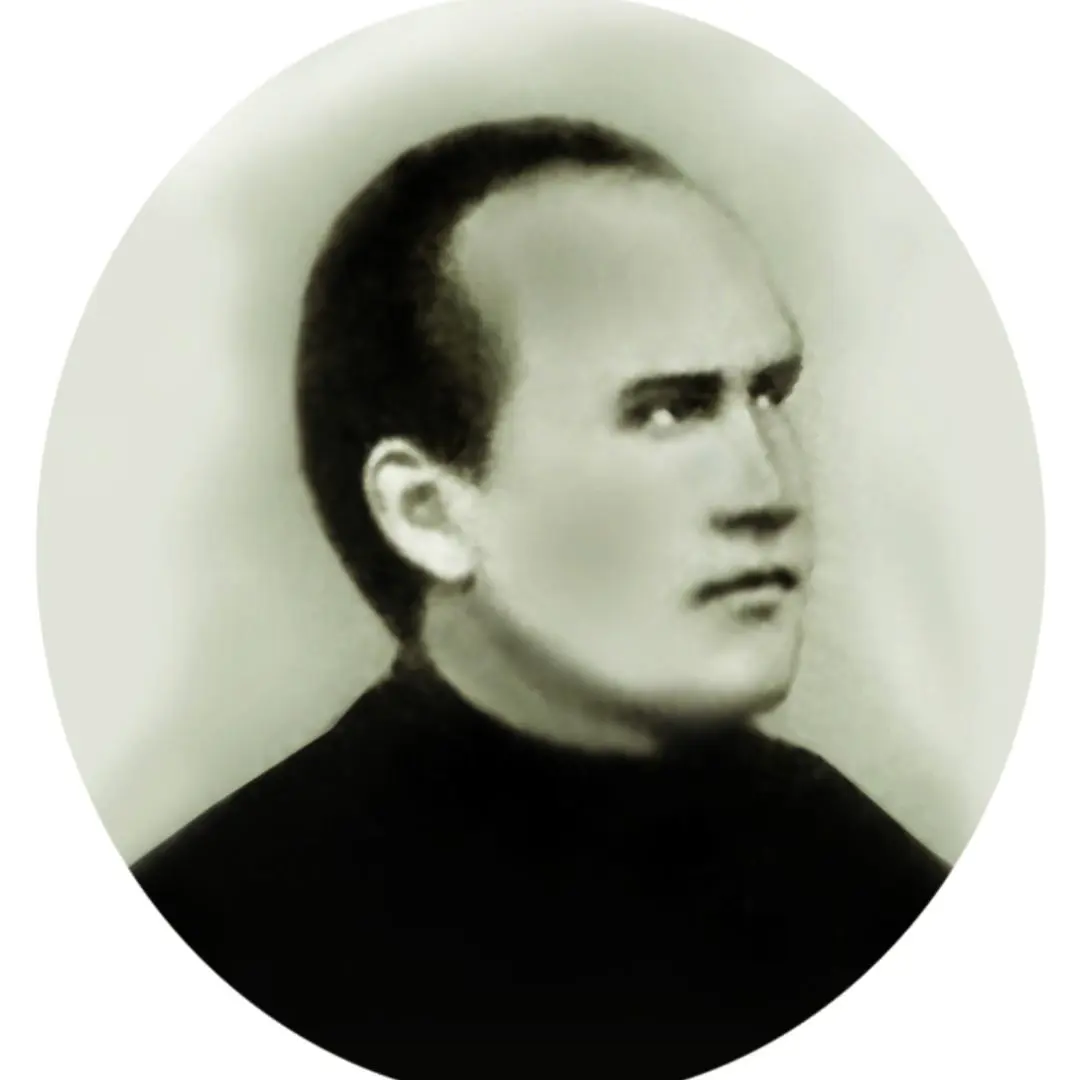
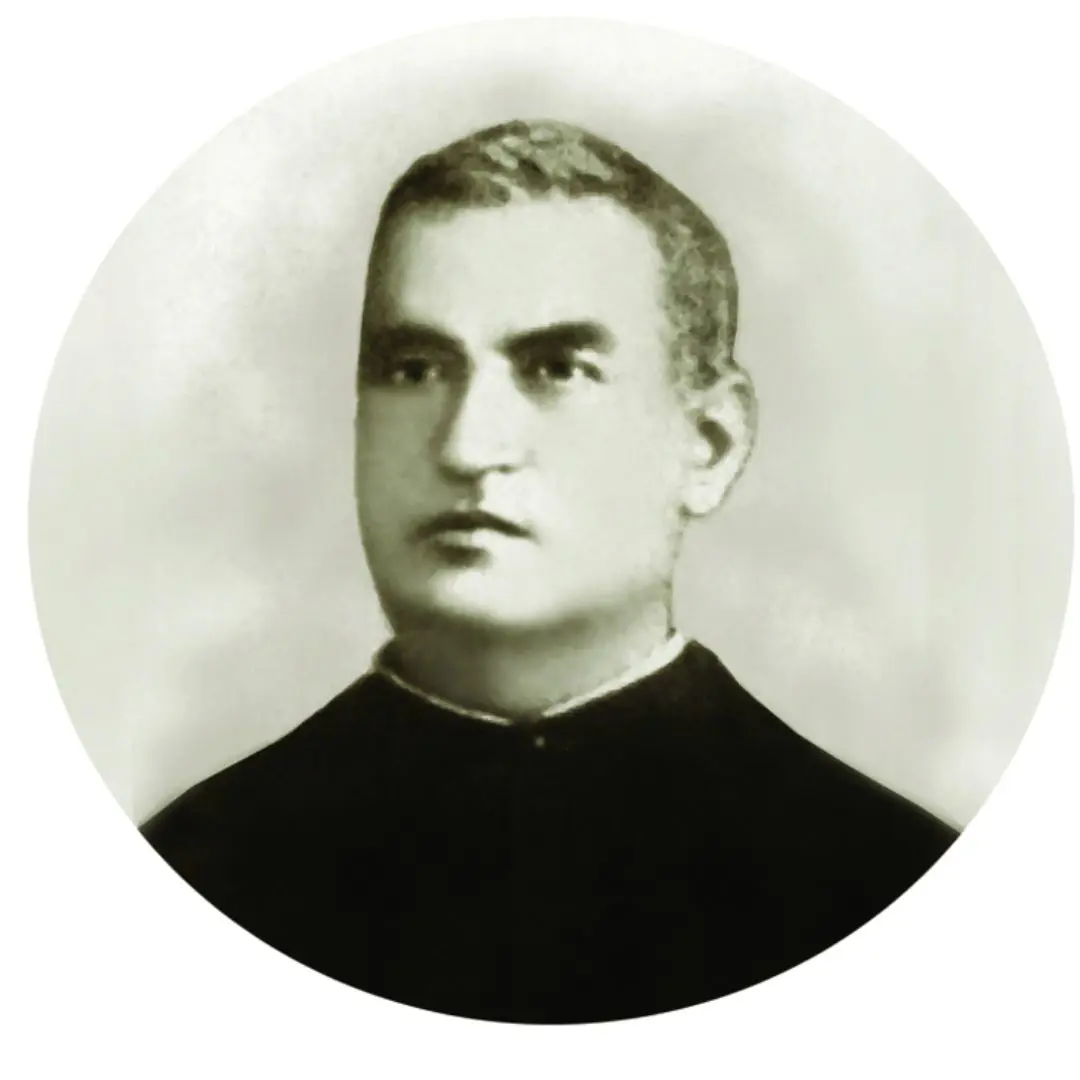
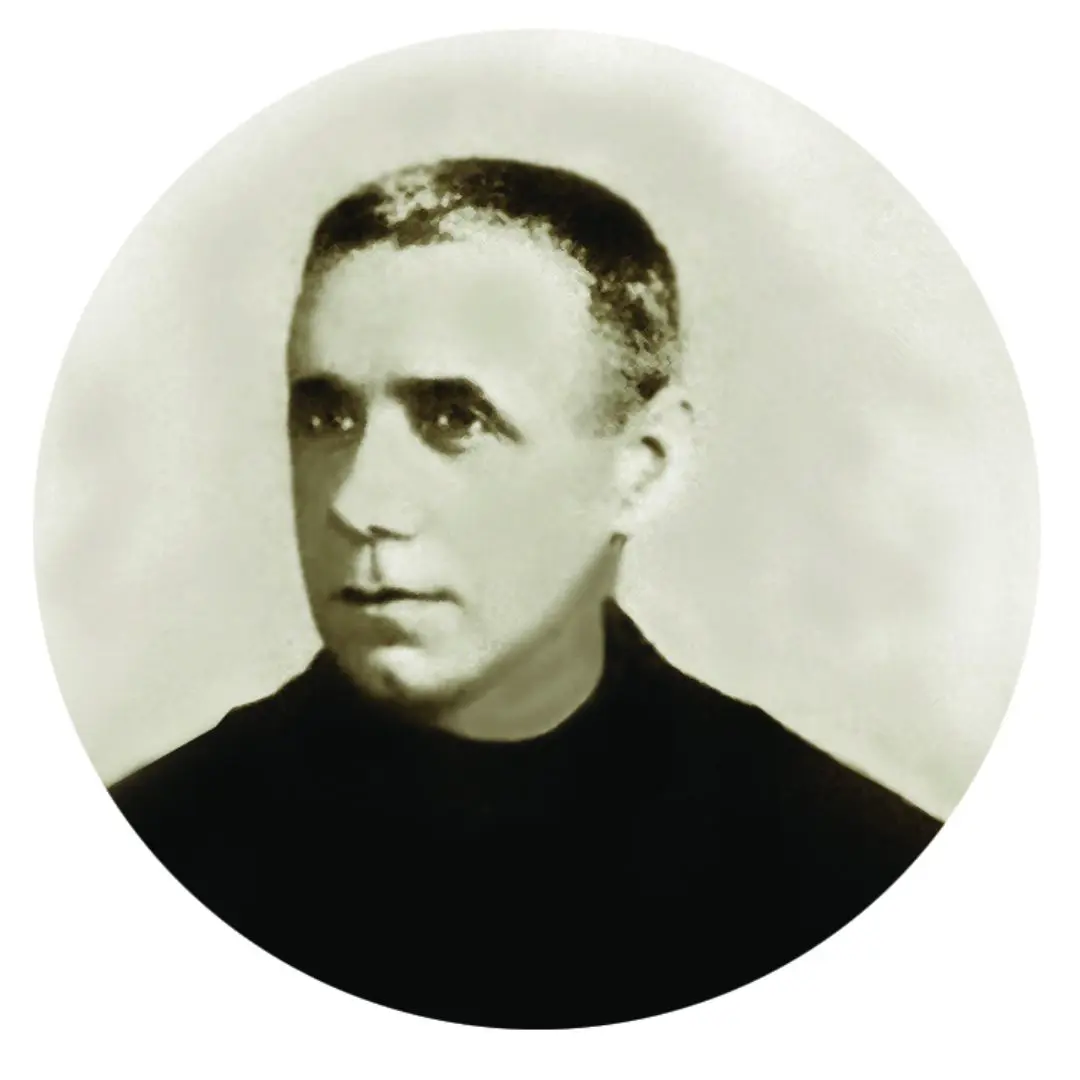
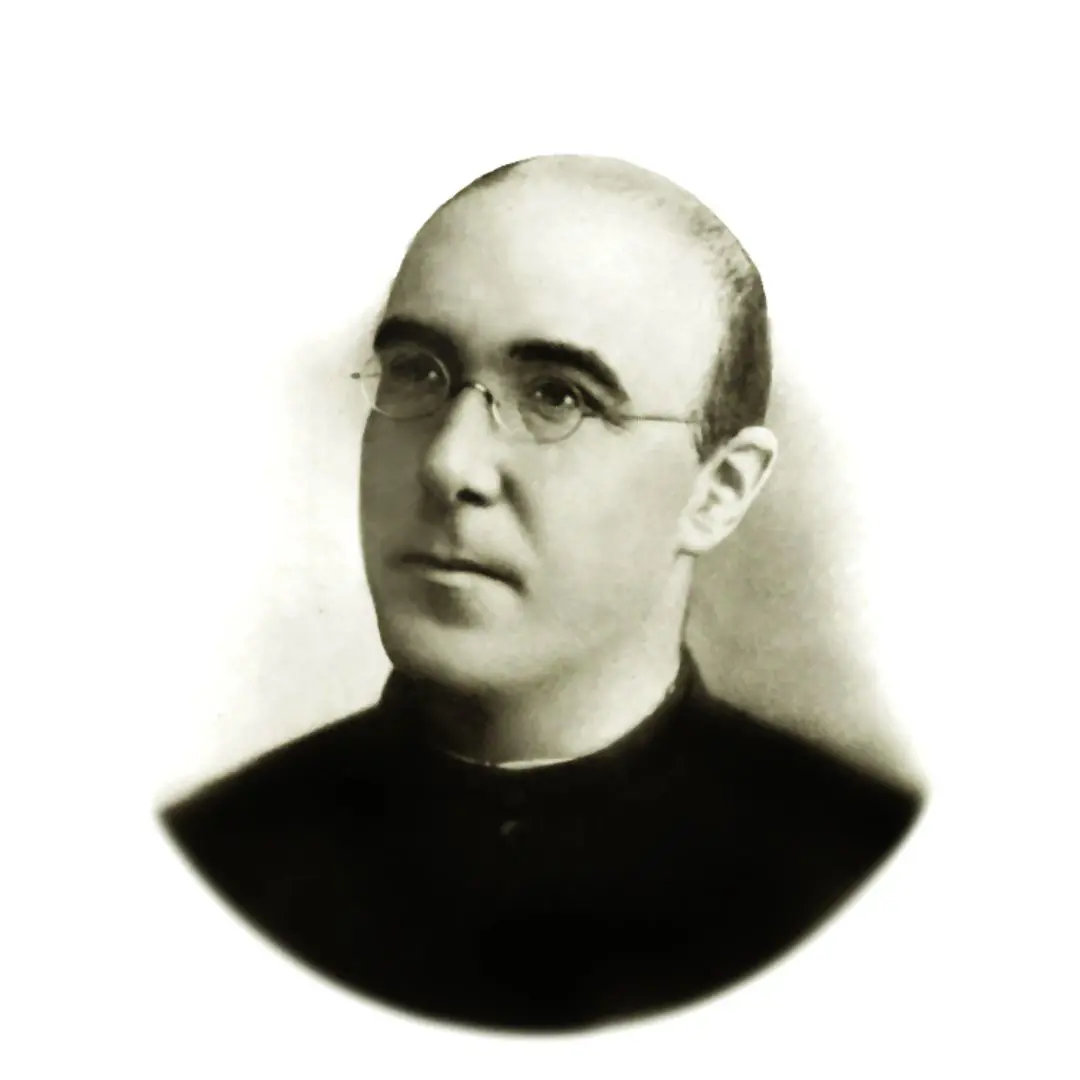
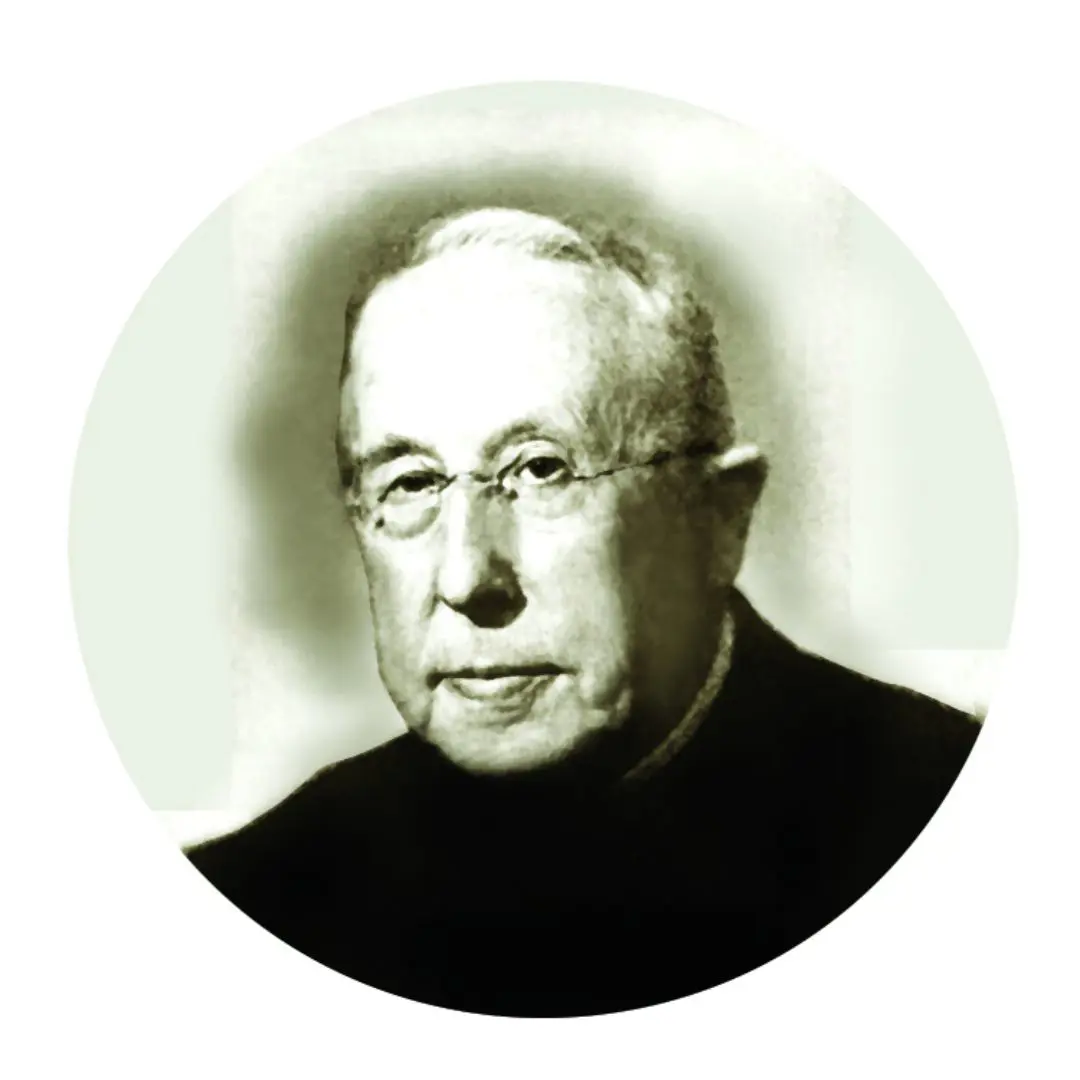
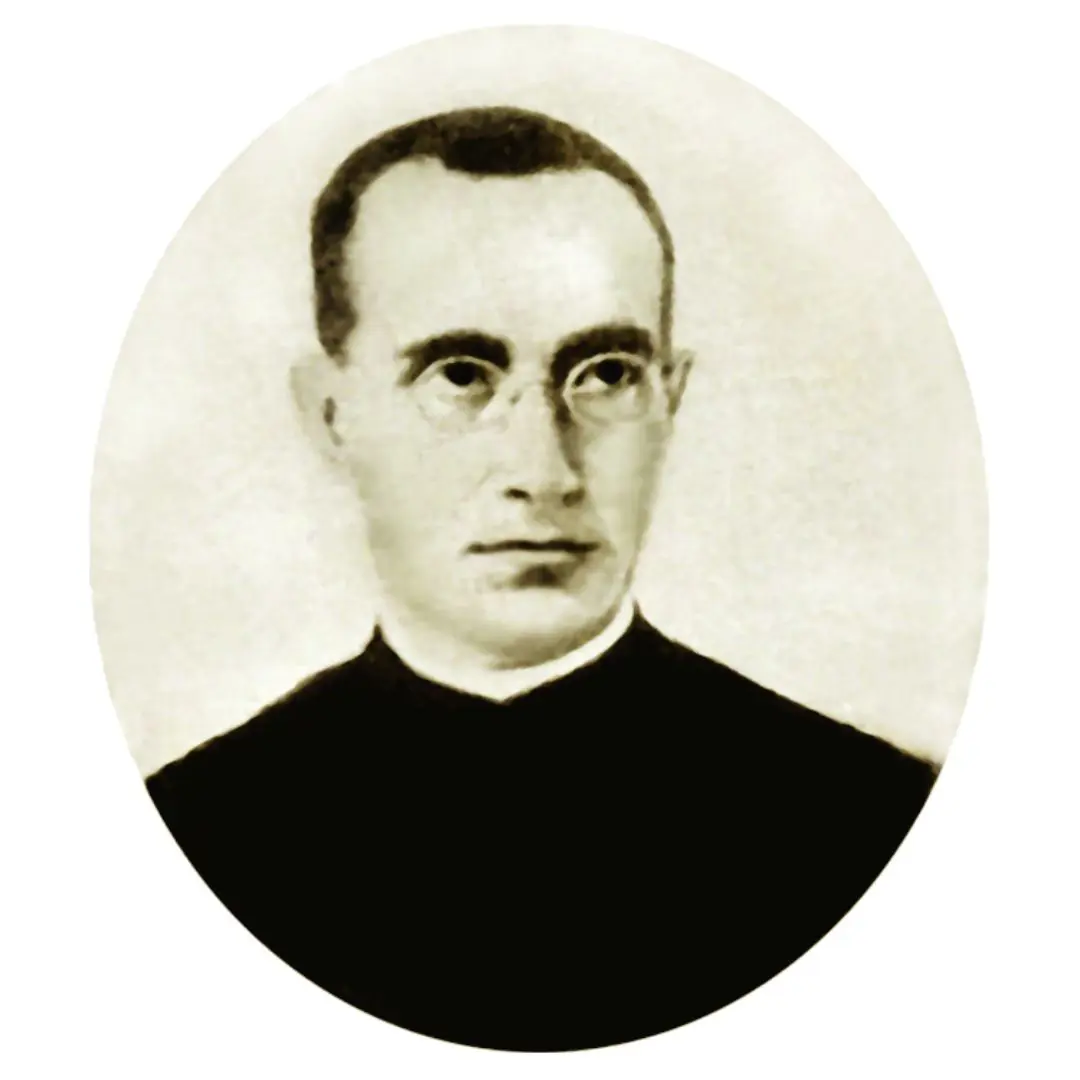
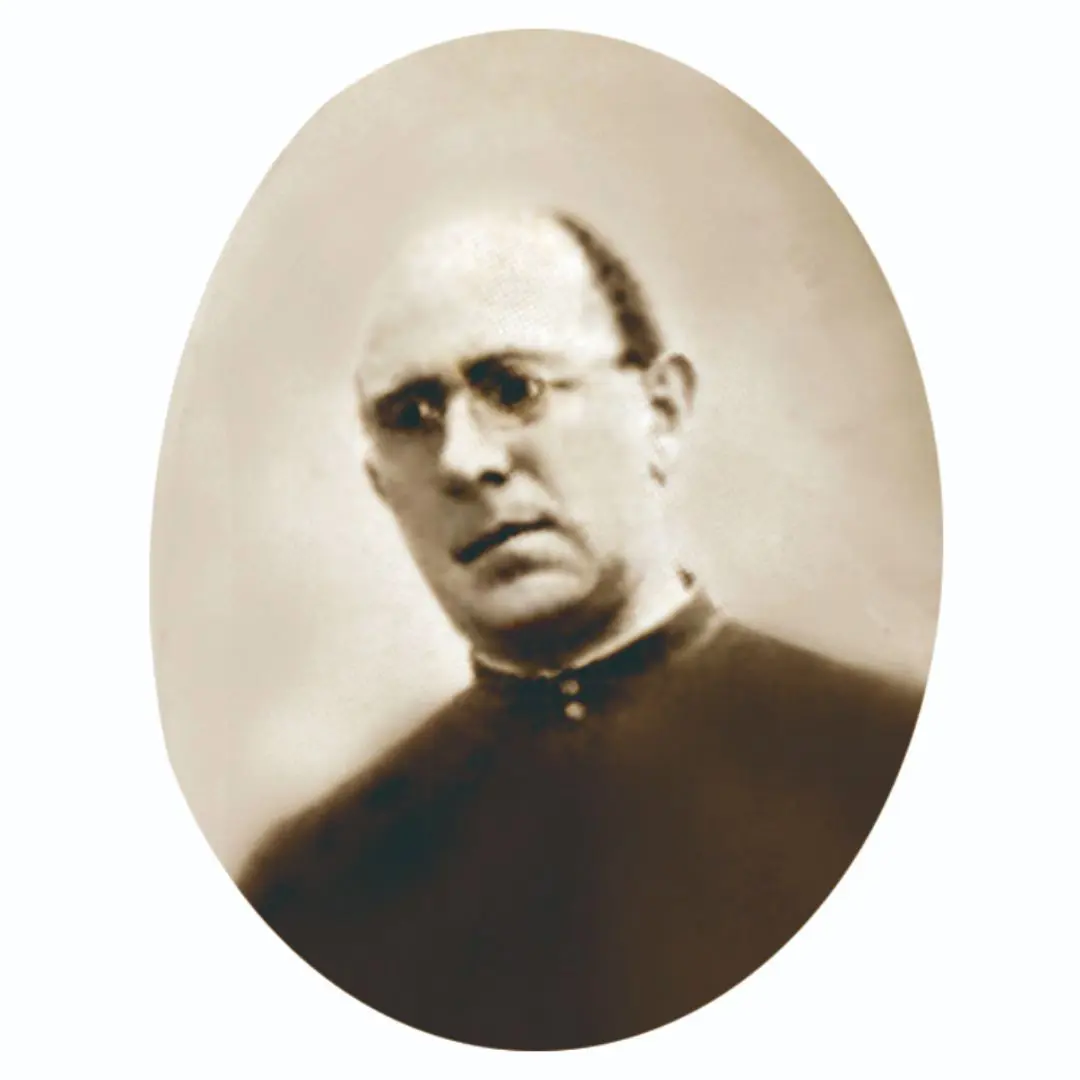
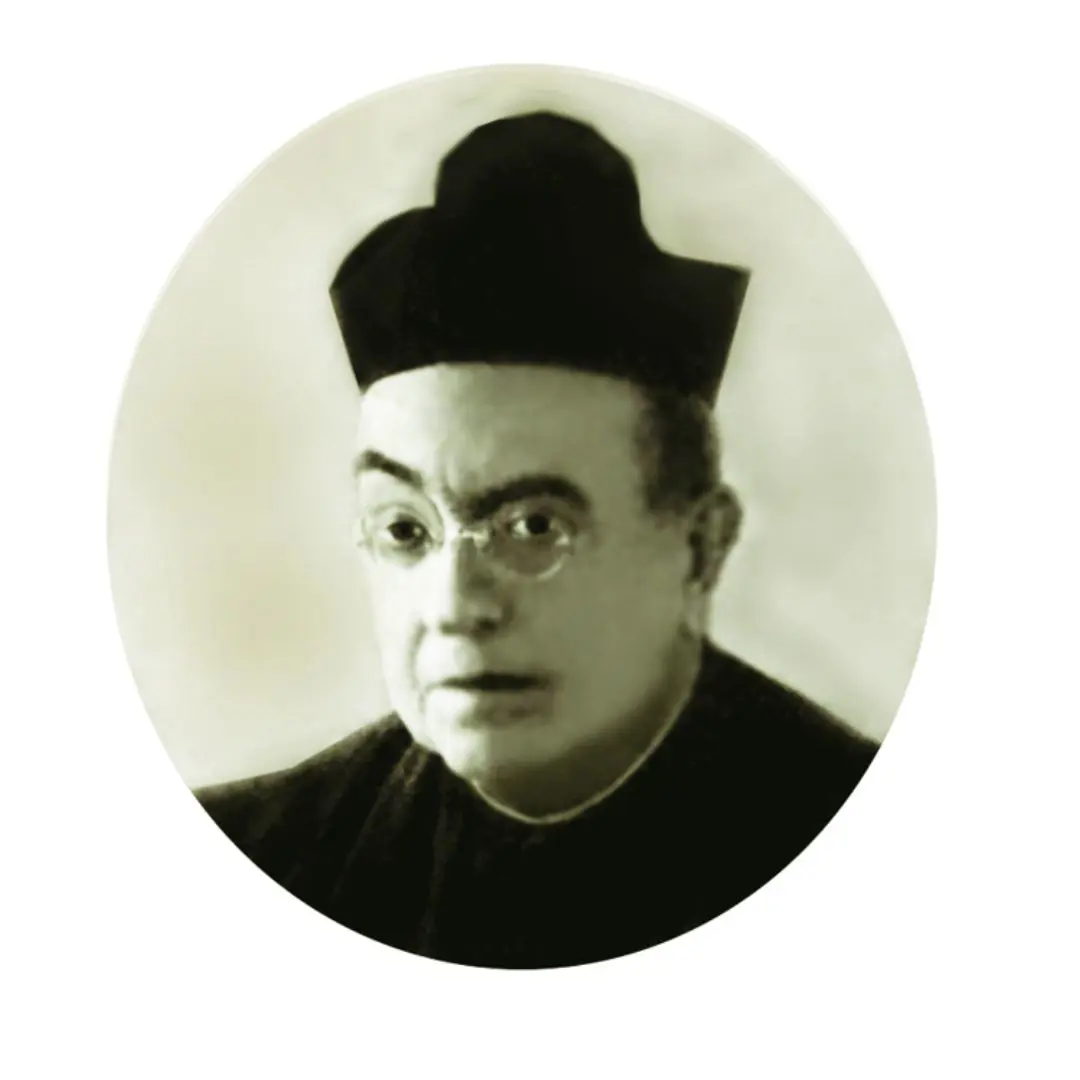
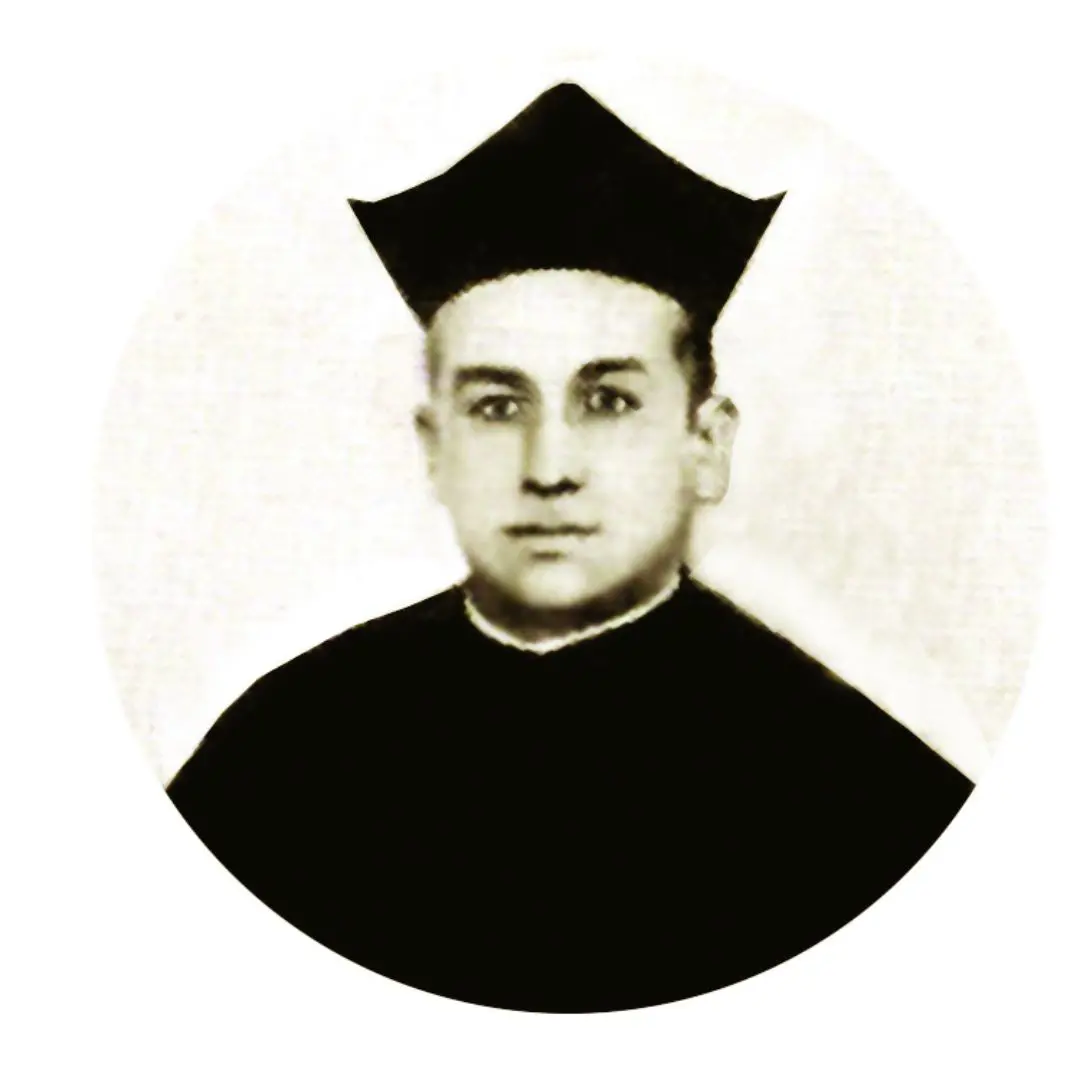
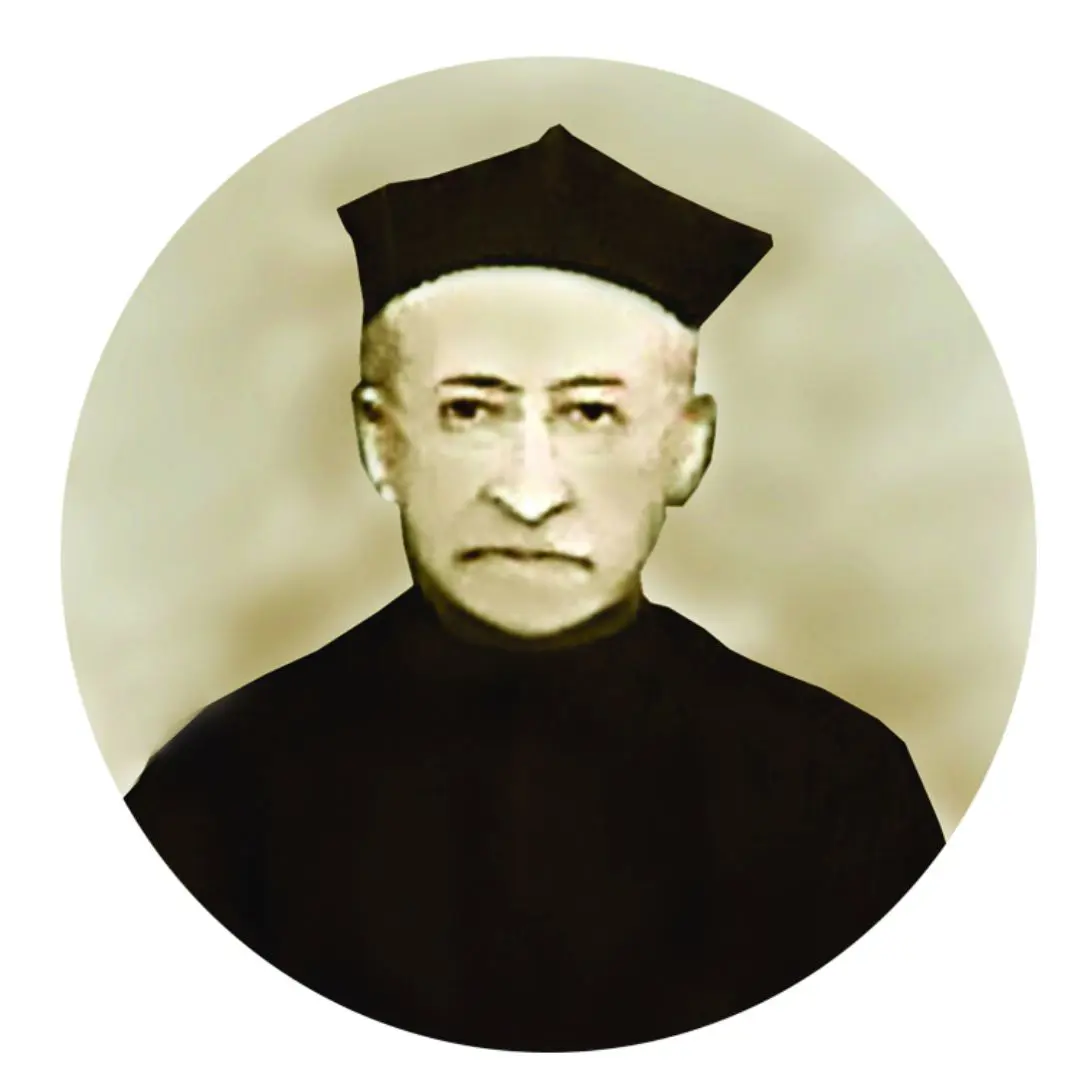
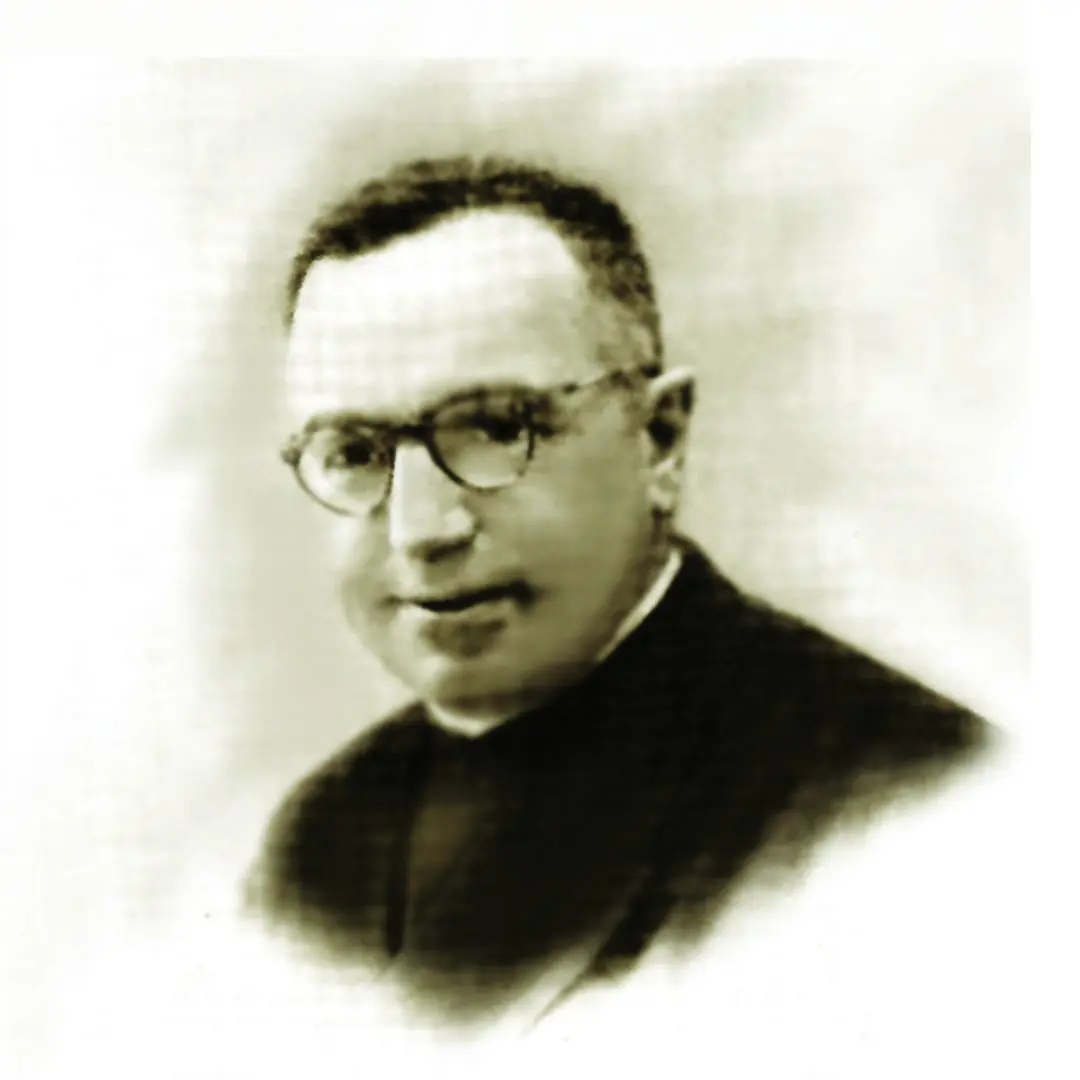
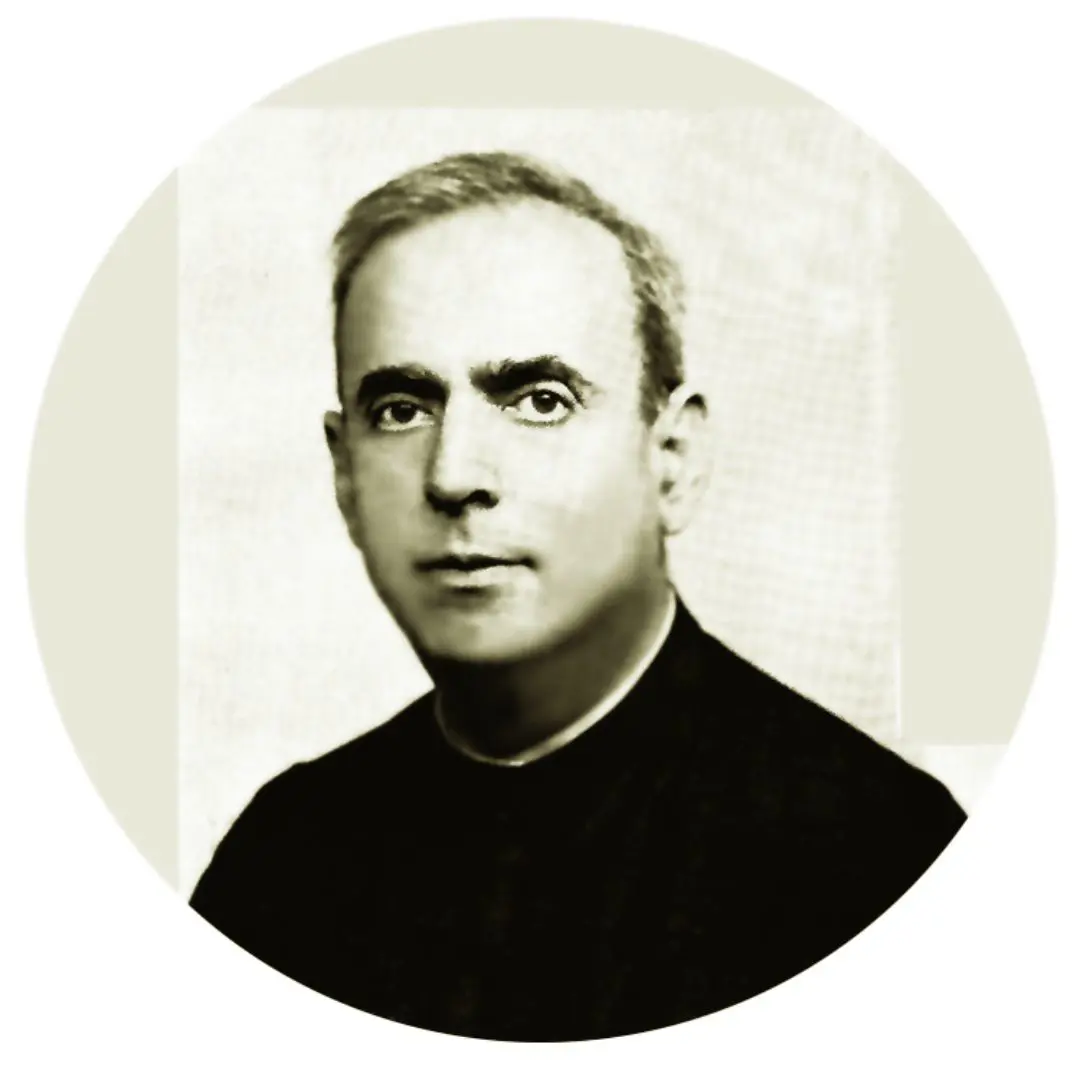
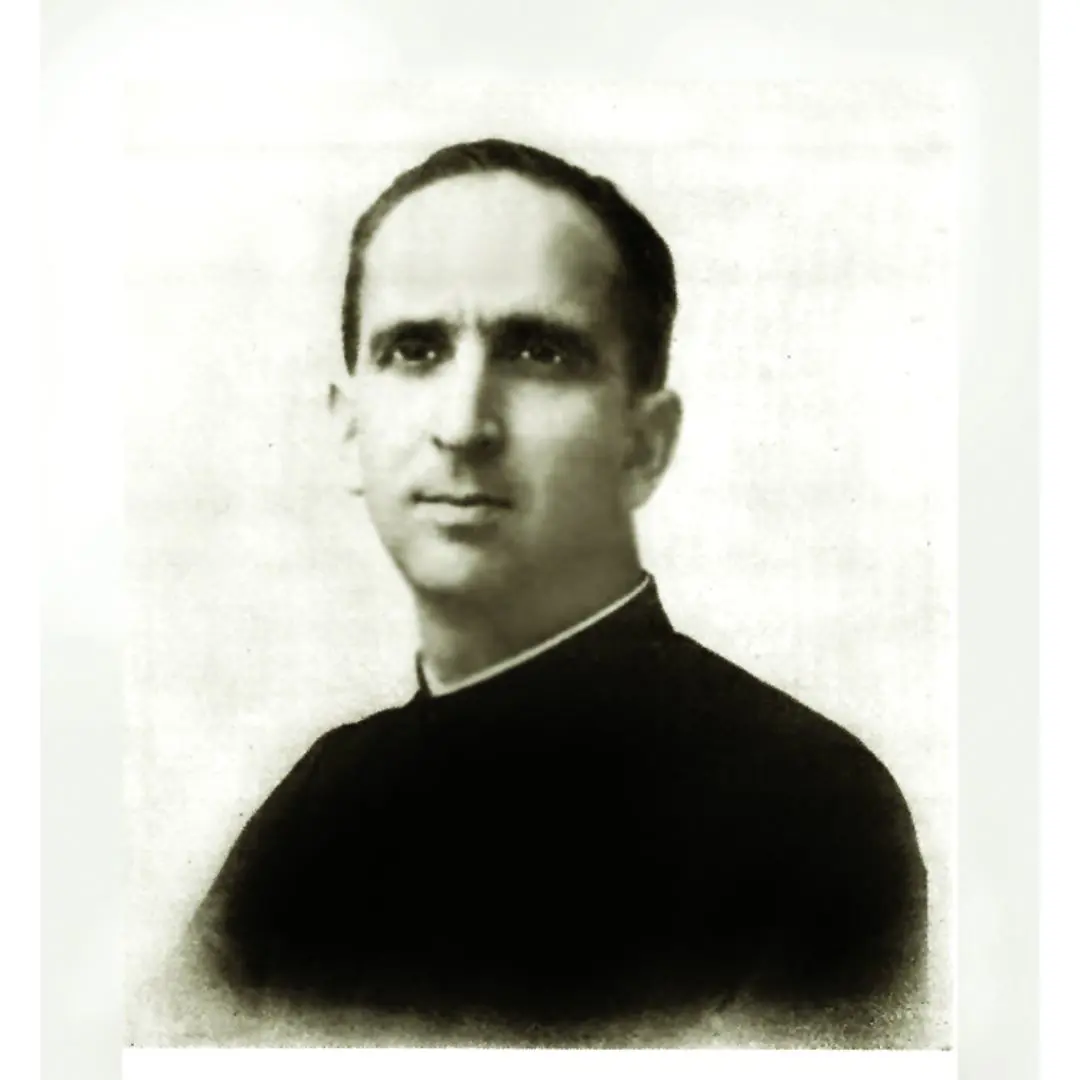
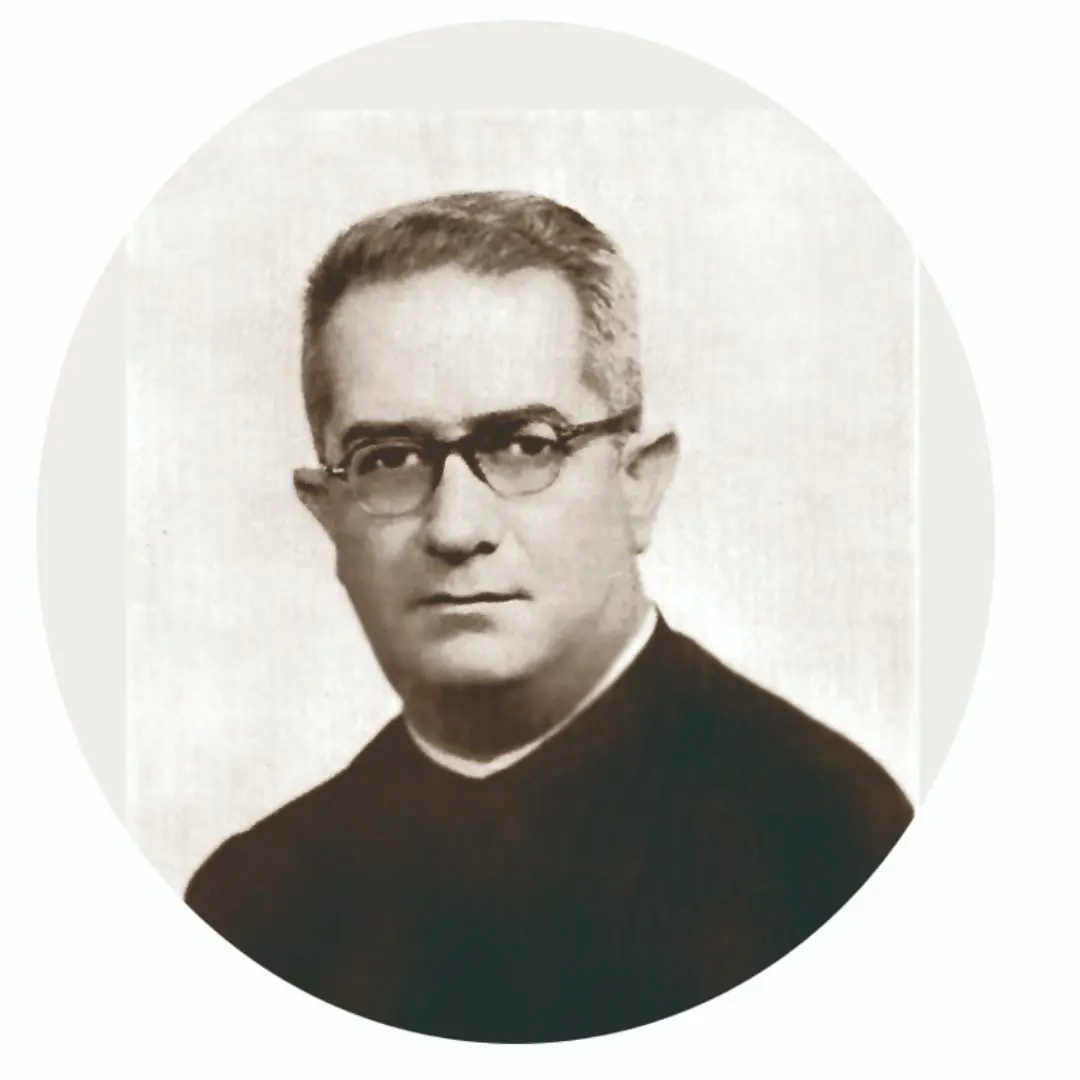
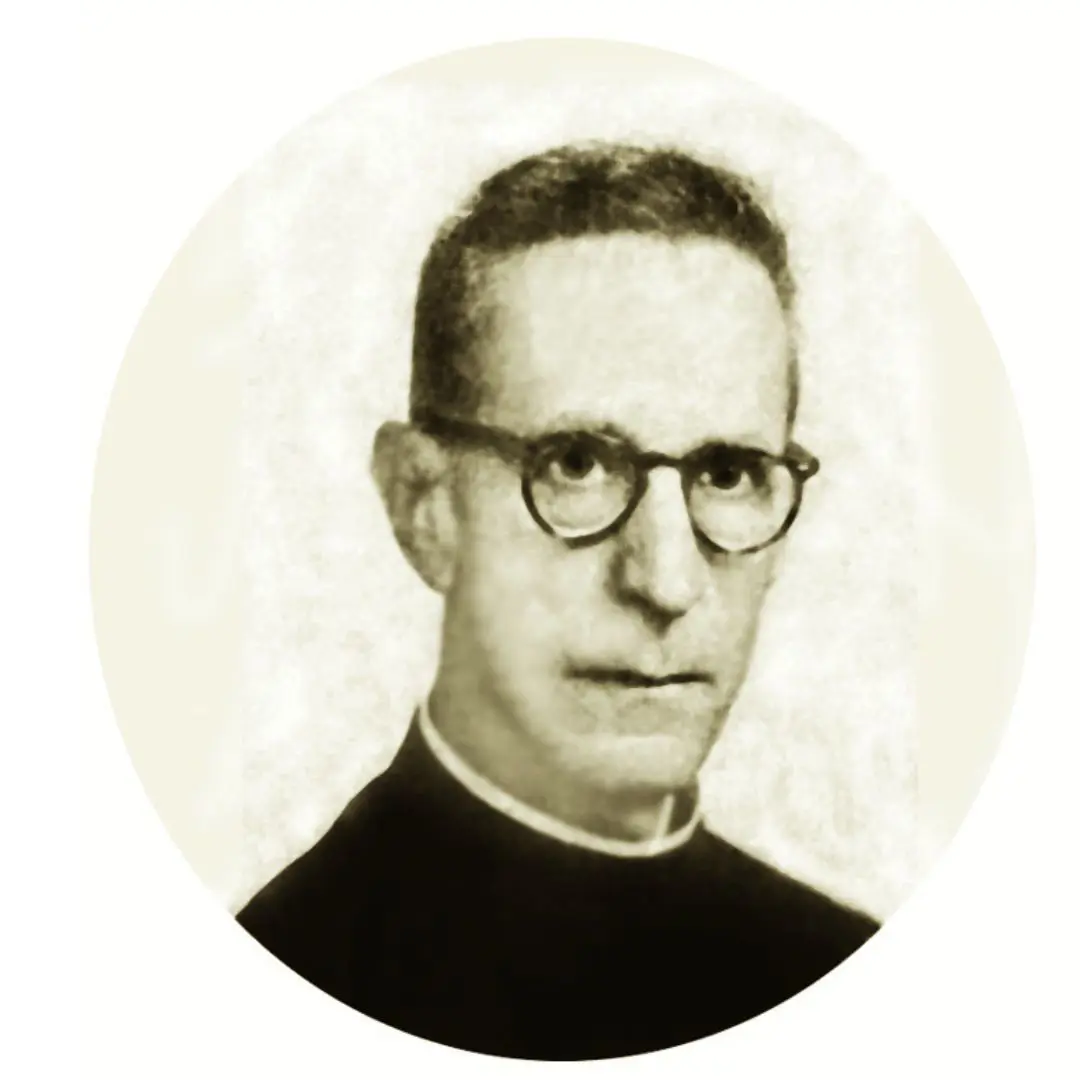
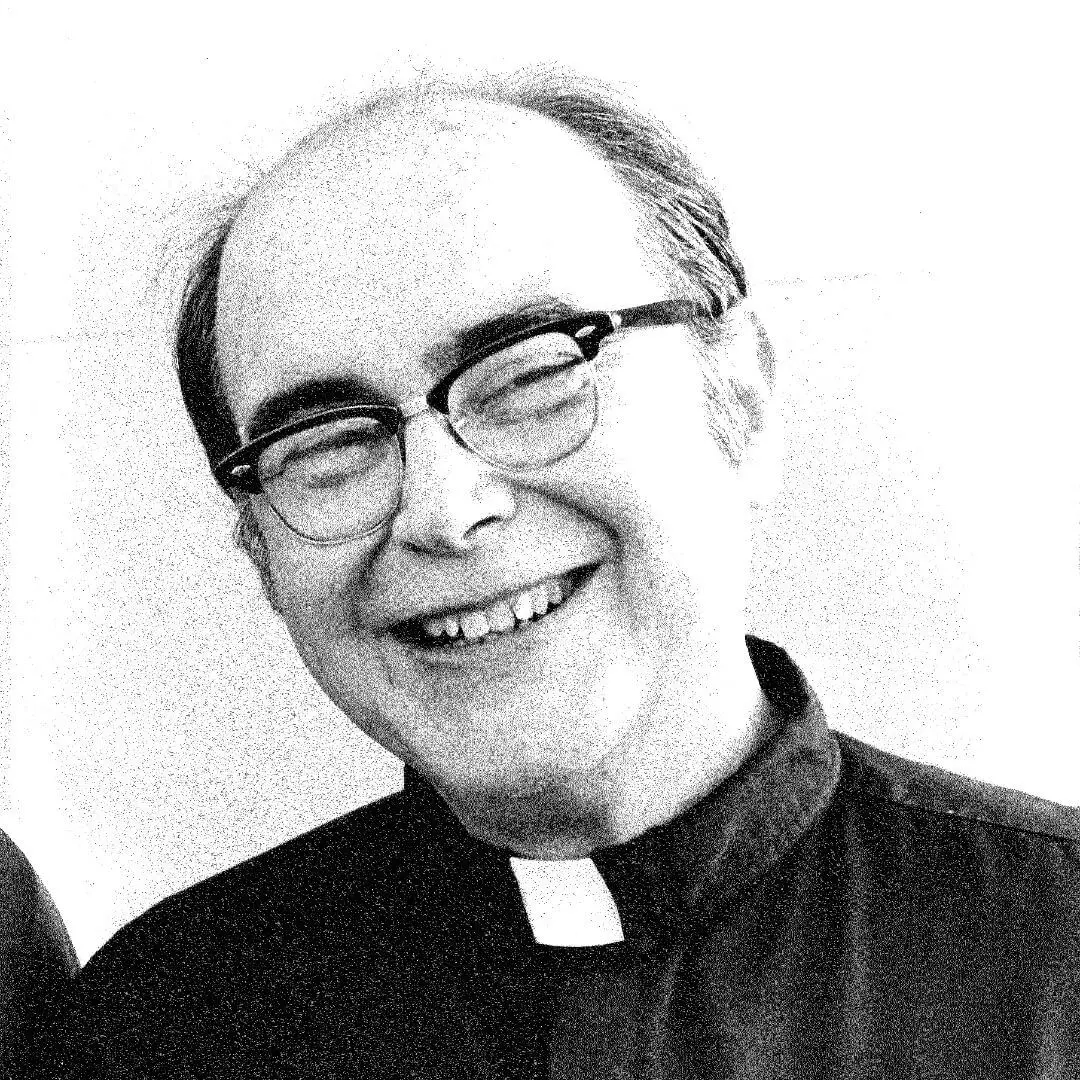
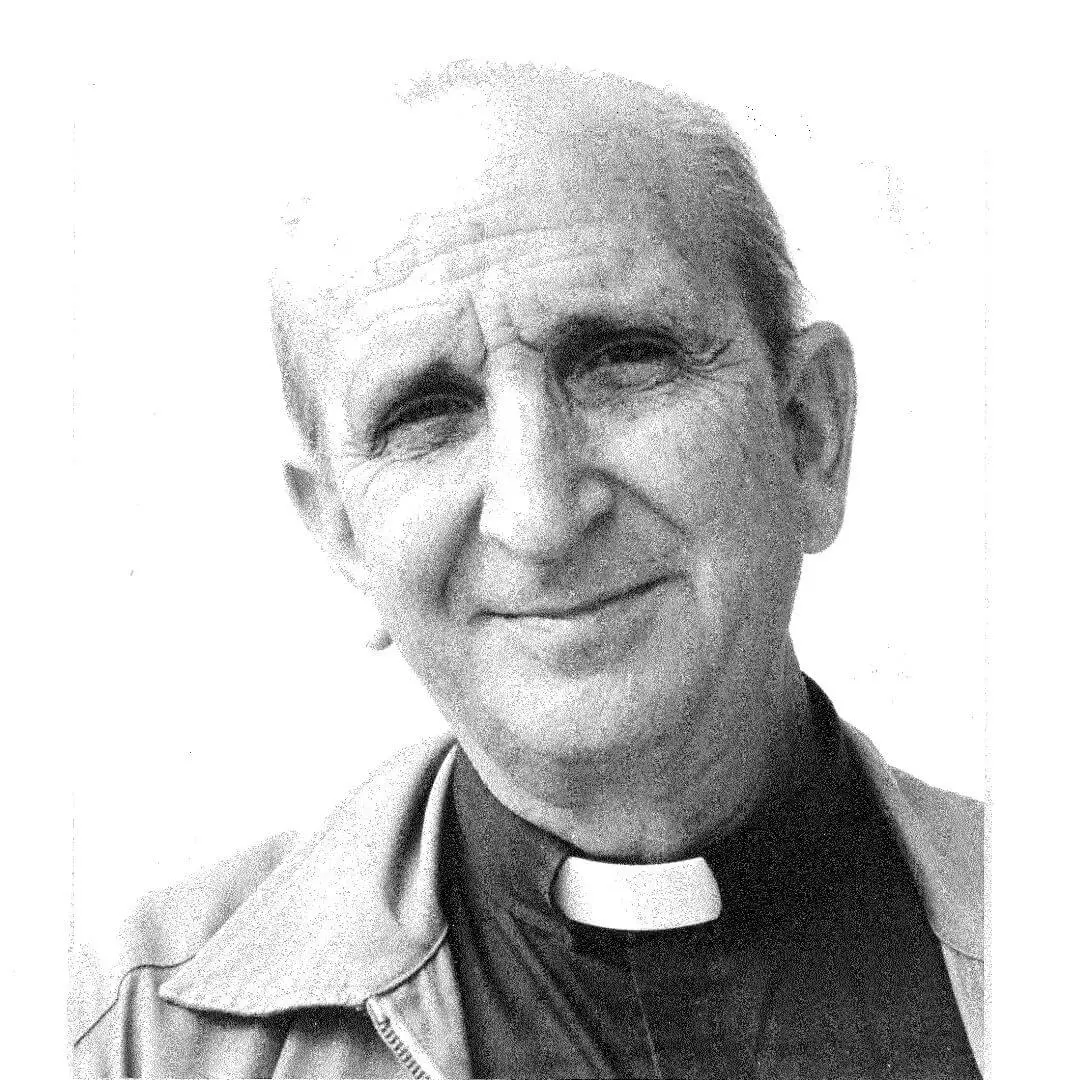
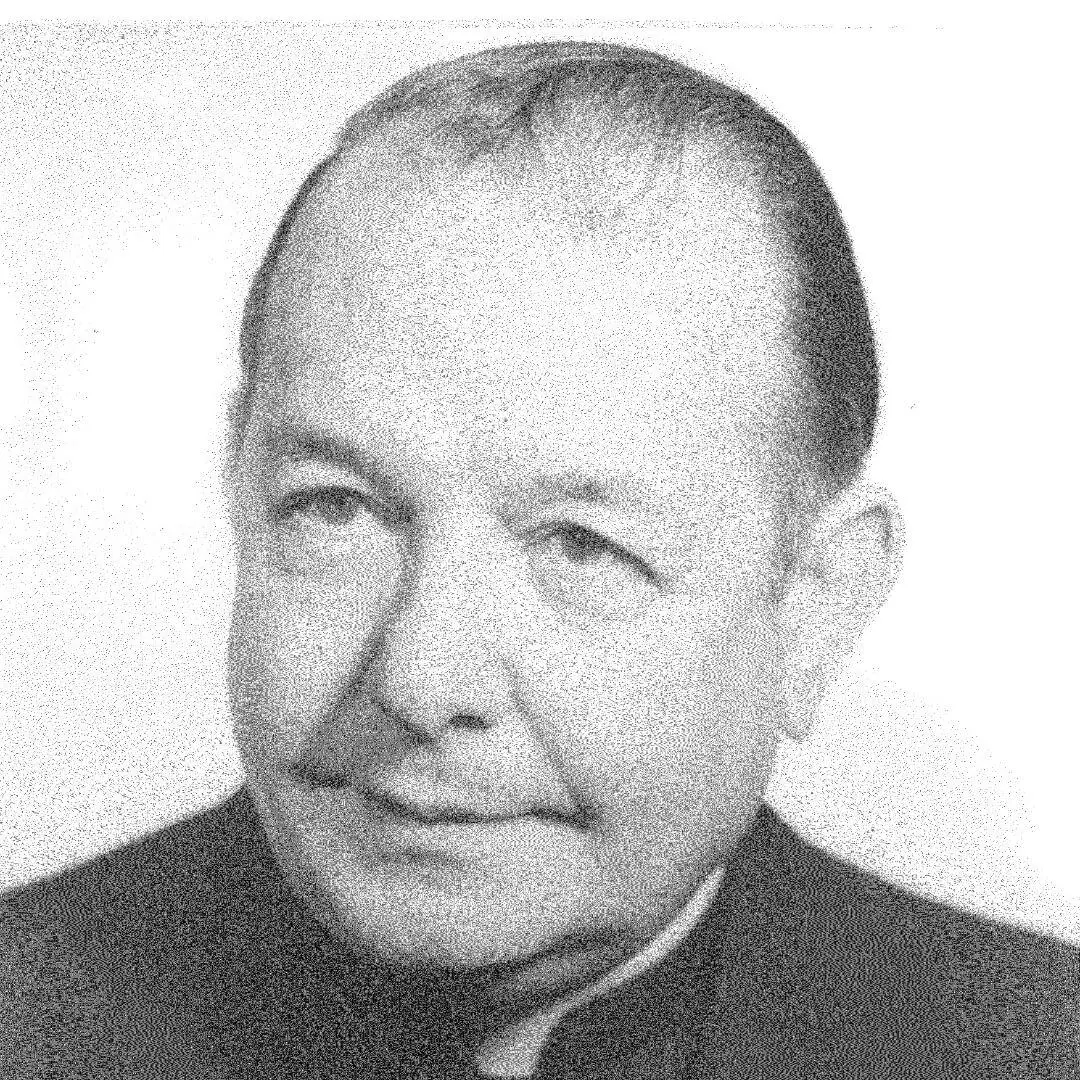
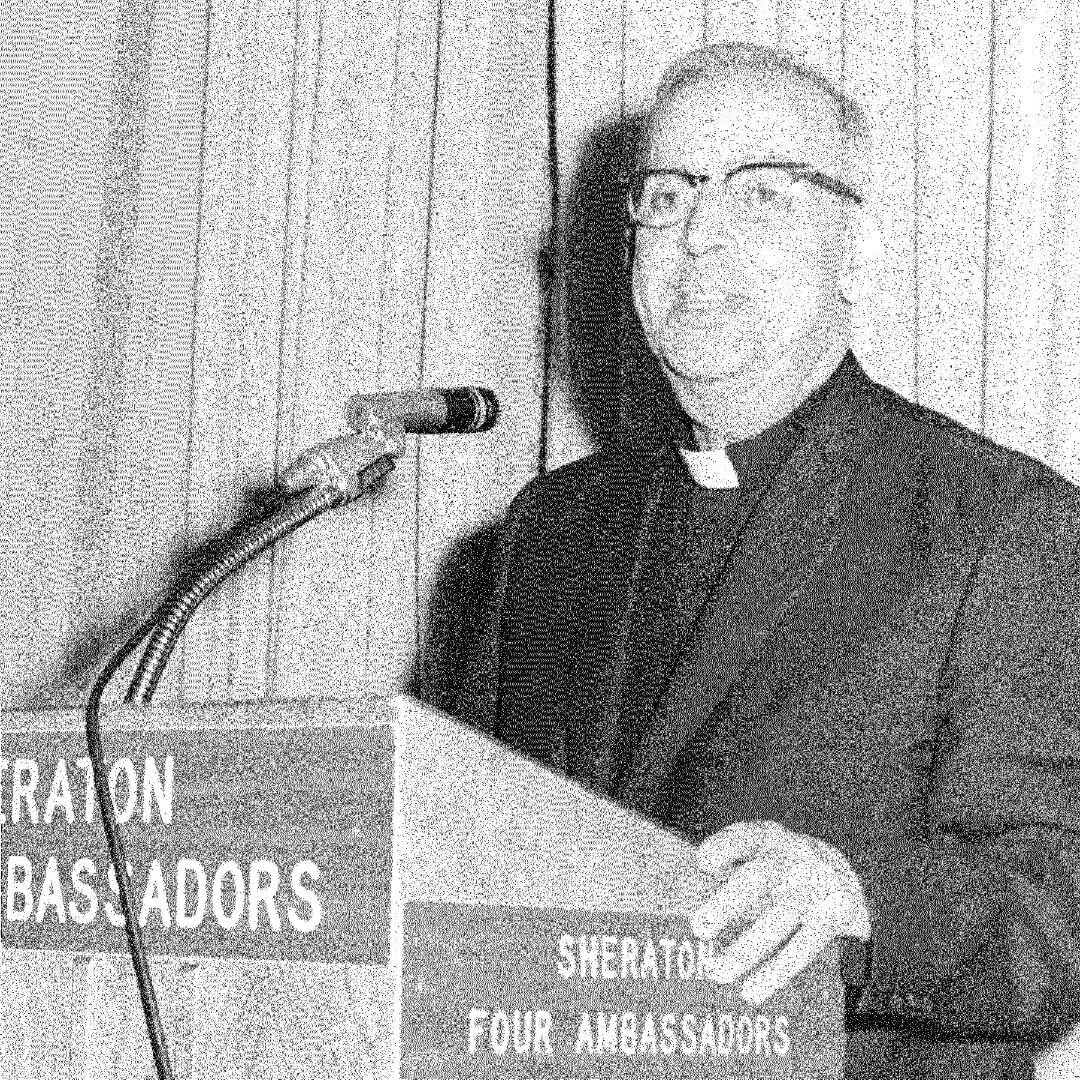
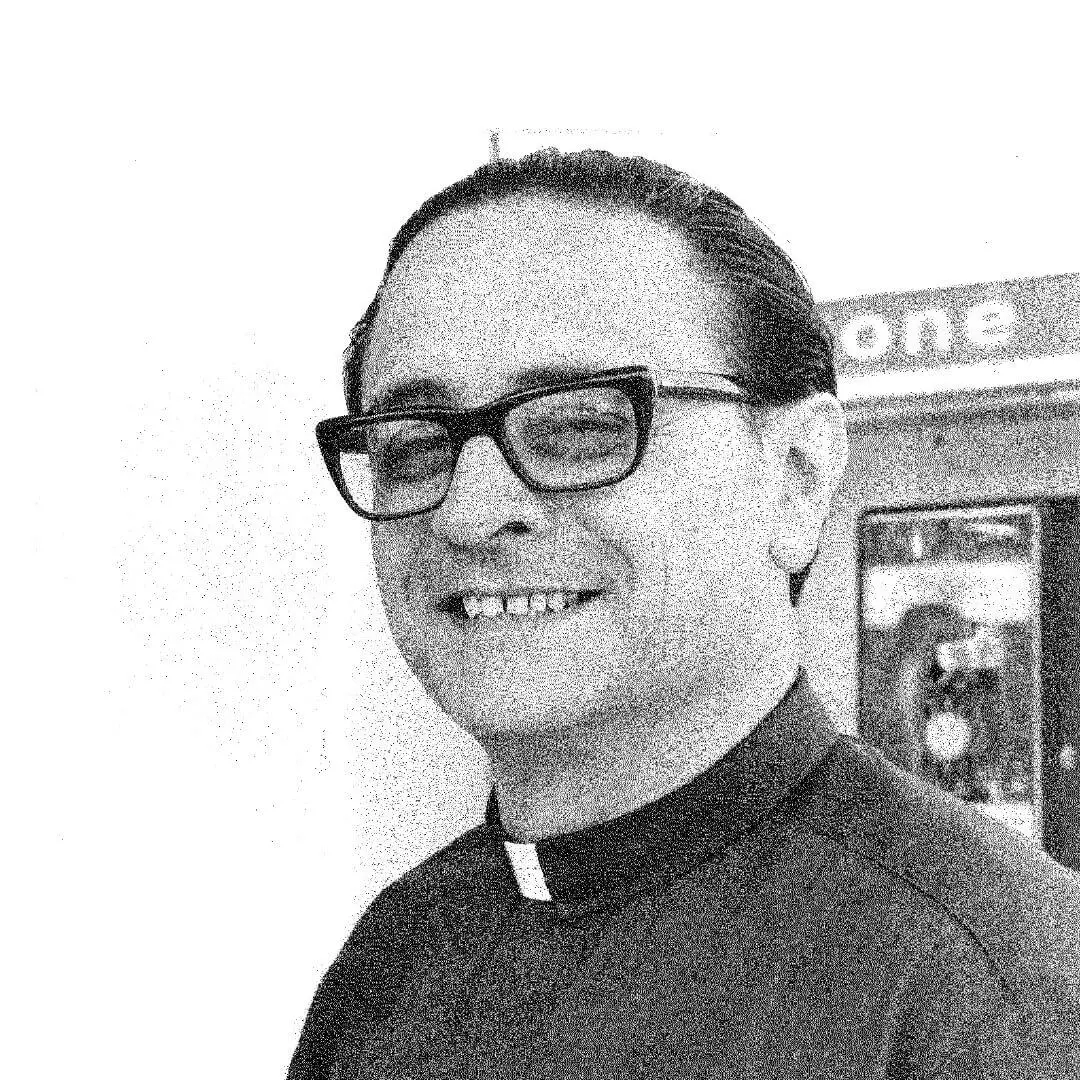
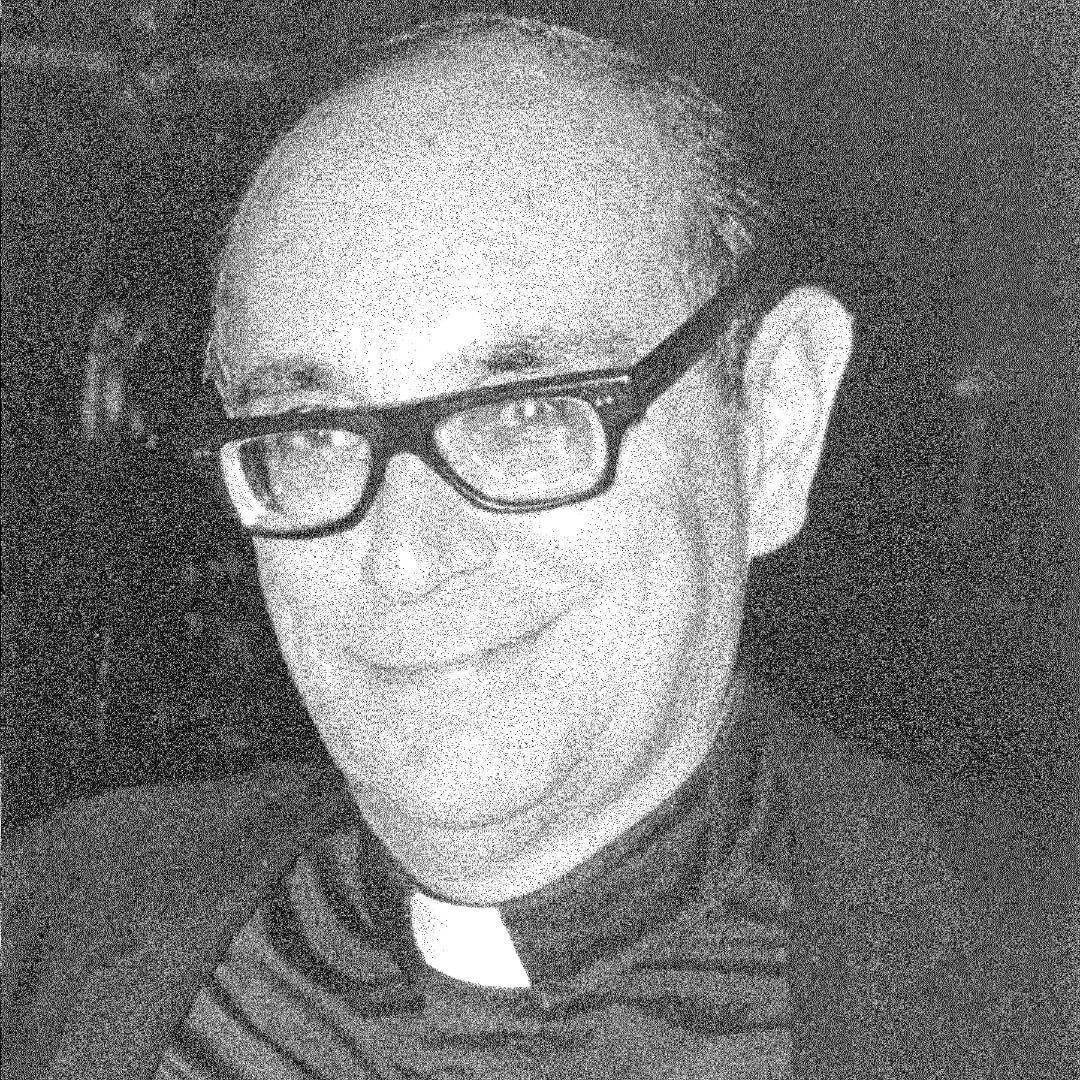
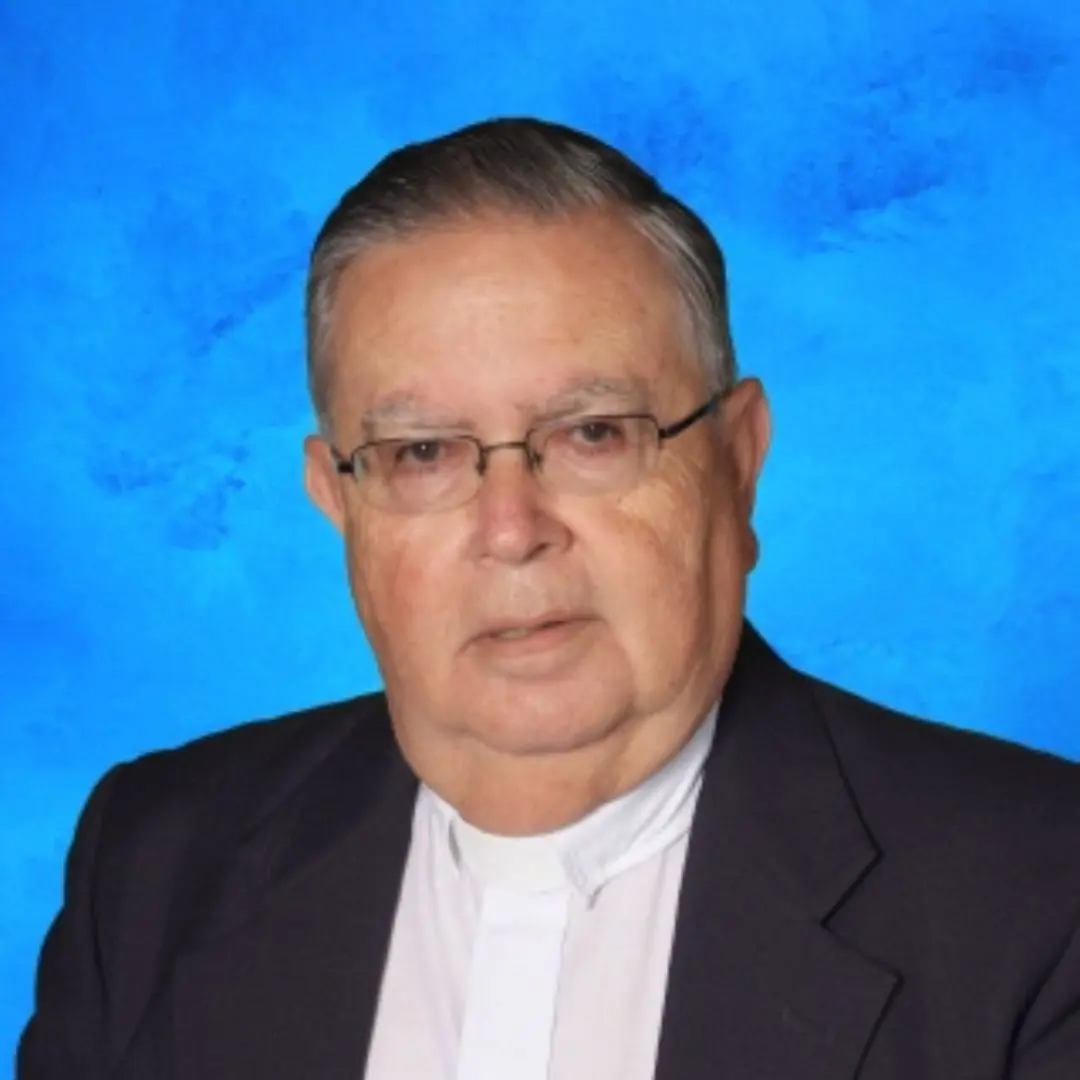
HISTORY OF PRESIDENTS
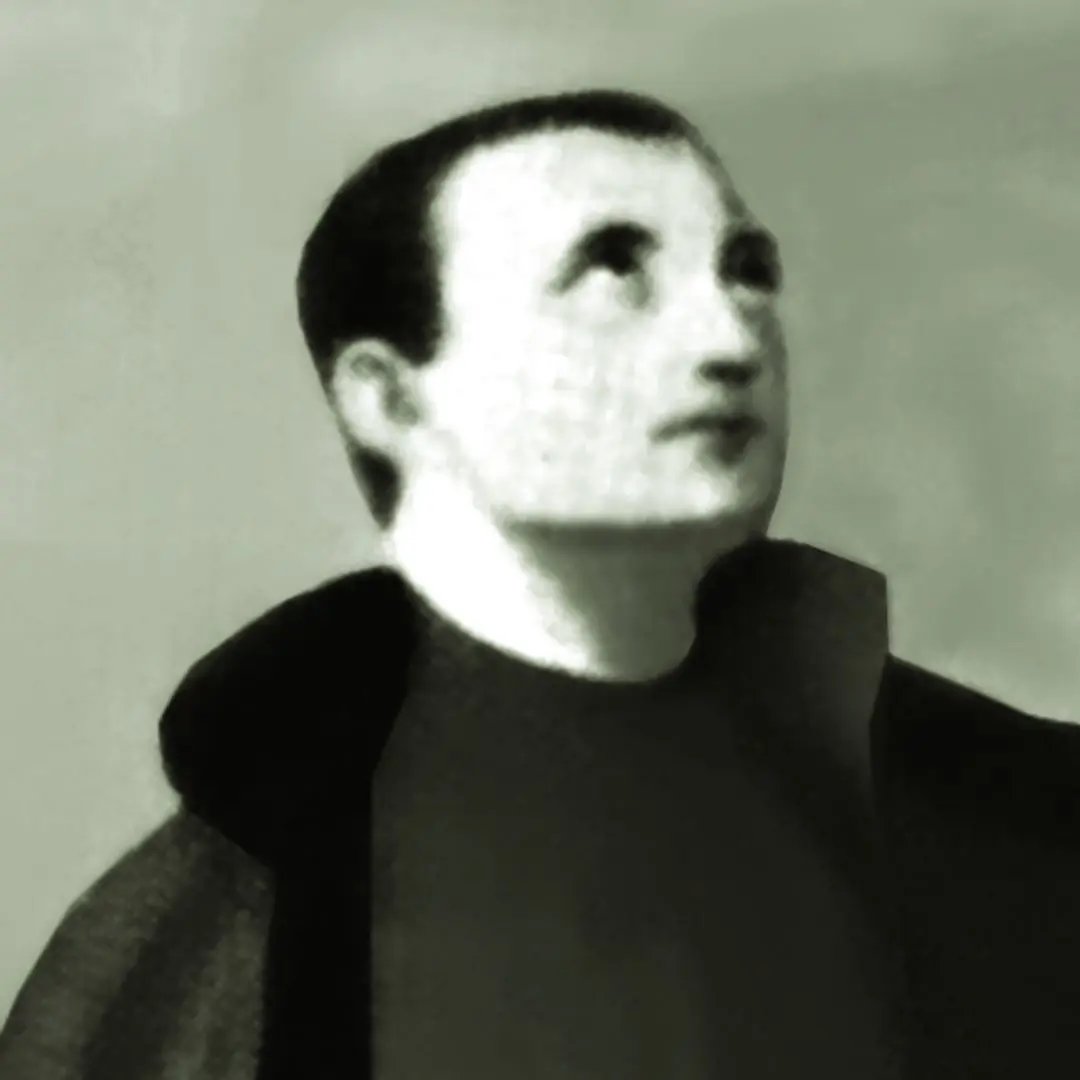
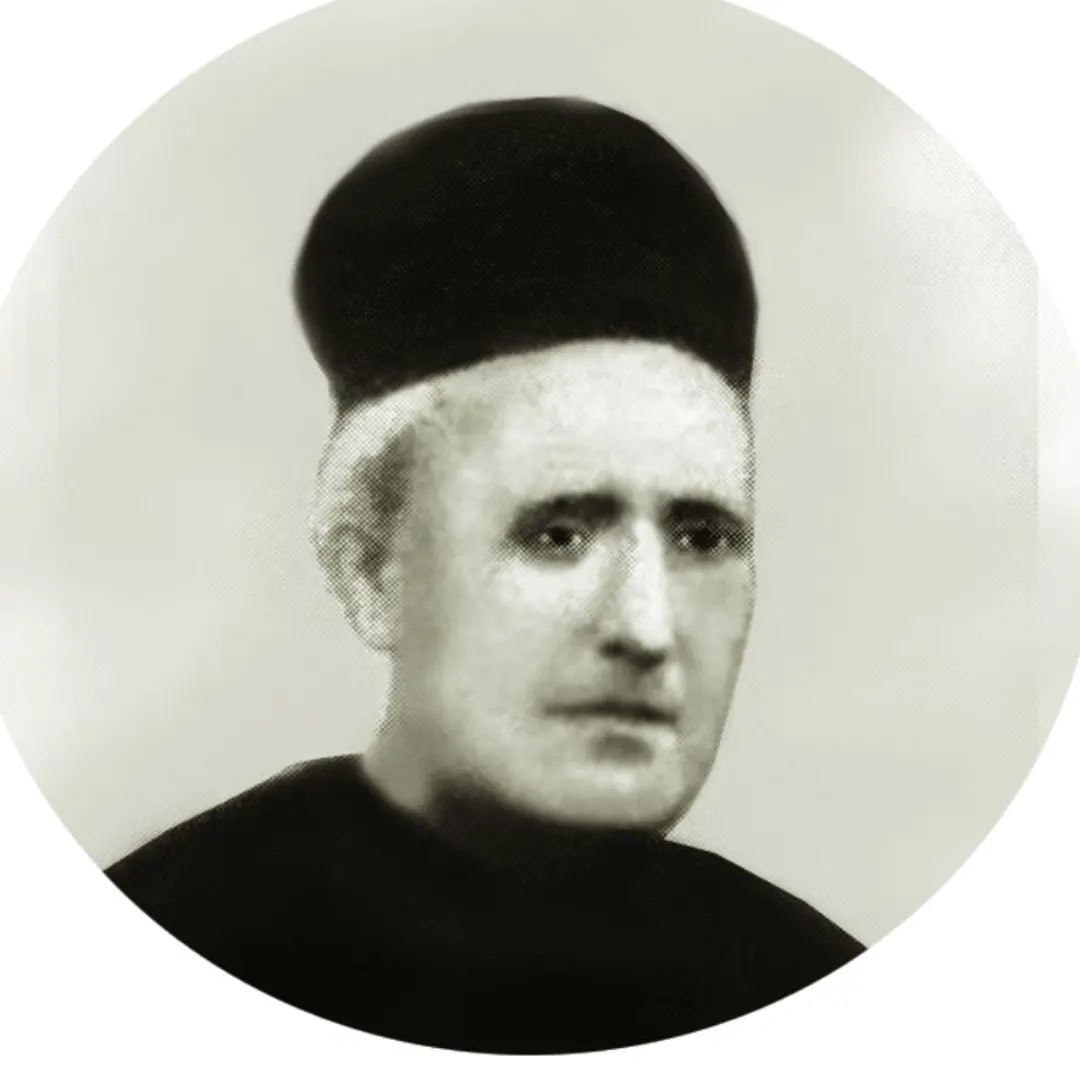
Bartolomé Munar, S.J.
(1854-1857)
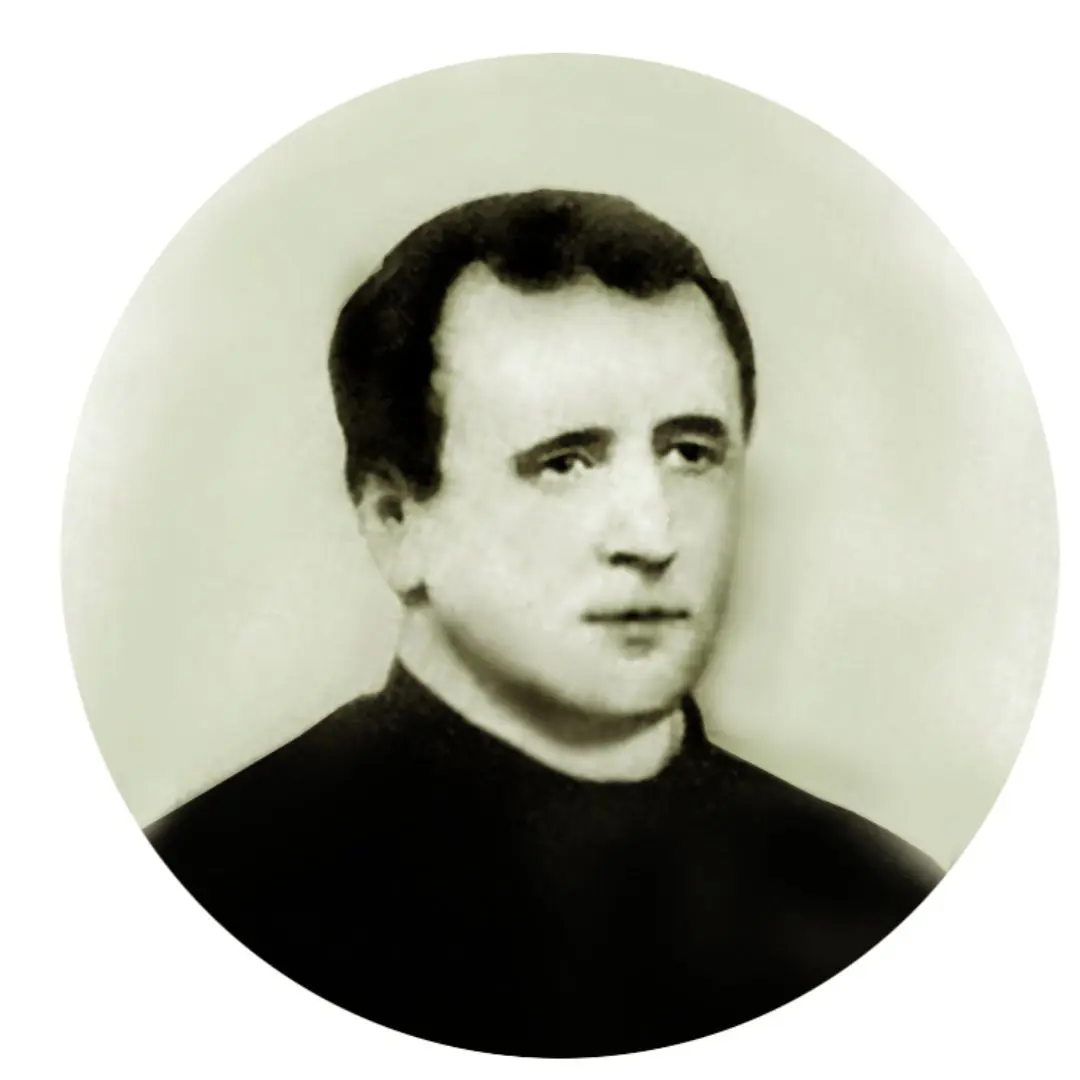
José María Lluch, S.J.
(1858-1862)
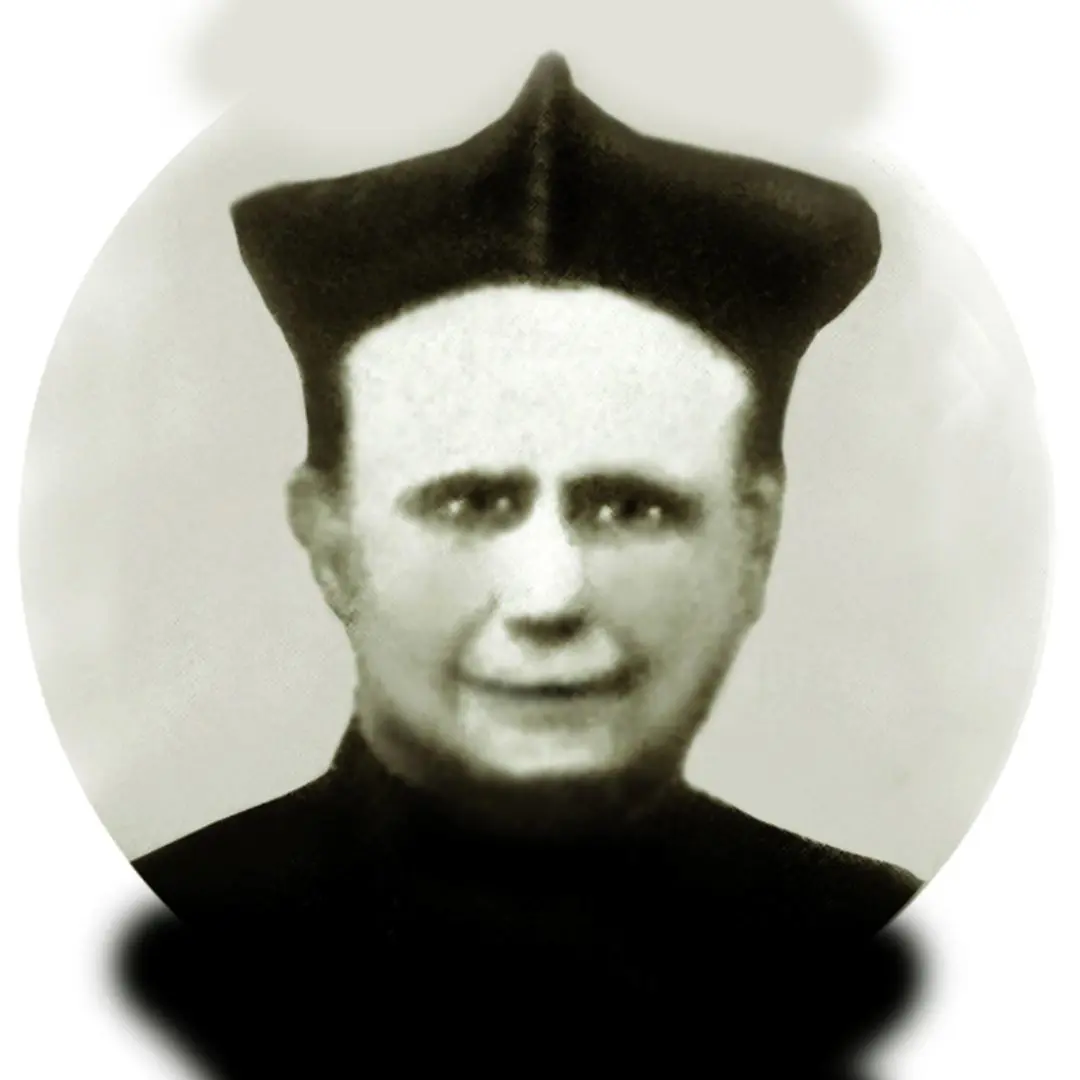
Buenaventura Feliú, S.J.
(1862-1868)
Andrés Gara Rivas, S.J.
(1868-1874)
Ángel Rosendo Gallo, S.J.
(1874-1881)
Tomás Ipiña, S.J.
(1881-1885)
Isidoro Zameza, S.J.
(1885-1889)
Benigno Iriarte, S.J.
(1889-1893)
José María Palacio Avellaneda, S.J.
(1893-1899)
Vicente Leza, S.J.
(1899-1908)
Silverio Eraña, S.J.
(1908-1909)
Fernando Ansoleaga, S.J.
(1909-1915)
Antonino Oraá, S.J.
(1915-1918)
Pedro Abad, S.J.
(1919-1922)
Claudio García, S.J.
(1922-1924)
Camilo García, S.J.
(1924-1925)
Antonio Galán, S.J.
(1925-1930)
Enrique Carvajal, S.J.
(1930-1931)
Ignacio Francia, S.J.
(1931-1938)
Ramón Calvo, S.J.
(1938-1940) (1959-1961)
Daniel G. Baldor, S.J.
(1940-1947) (1959)
Ceferino Ruiz, S.J.
(1947-1953)
Miguel A. Larrucea, S.J.
(1953-1956)
Eduardo Martínez-Márquez, S.J.
(1956-1959)
Luis G. Ripoll, S.J.
(1961-1964)
Ceferino Ruiz, S.J.
(1964-1966) *He served as President twice.
Richard C. Chisholm, S.J.
(1966-1967)
Daniel G. Baldor, S.J.
(1967-1972)
Felipe Arroyo, S.J.
(1972-1980) *He served as President three times.
Francisco Pérez-Lerena, S.J.
(1980-1983)
Marcelino García, S.J.
(1983-2009)
Pedro A. Suárez, S.J.
(2009-2016)
Guillermo M. García-Tuñón, S.J.
(2016- )
WHERE TO NEXT
Continue exploring our website and learn more about our campus, the admissions process, and Jesuit education. Every corner of Belen has a story, and the more you discover, the clearer our mission and spirit become. Take your time, follow your curiosity, and let yourself get a sense of the community your family could be part of.
BREAK UP TEXT AND HIGHLIGHT MISSION PROMINENTLY
Mission Statement
Following the Ignatian tradition of excellence, the mission of Belen Jesuit as a Catholic, Jesuit, college preparatory school is to guide and support our students in their process of becoming men who are proficient in both English and Spanish, open to growth, intellectually curious, religious, loving, and committed to doing justice, so they can work as leaders for the defense of the faith and the promotion of justice in a multicultural society.
We Believe the Following:
In the context of the Catholic faith and the Ignatian tradition, we believe the following:
Every human being is uniquely created in the image and likeness of God and should be treated with respect and dignity.
Belen is committed to serving the Catholic faith and promoting justice.
Faith is developed and justice is promoted through the examples set by every member of the school community.
The development of a heightened awareness of relationships with others fosters citizenship.
Character formation takes place through the development of consistent self-discipline, learning the consequences of personal actions, and taking full responsibility for them.
Students become well-rounded individuals through their participation in curricular and extracurricular activities.
A diverse program of extra-curricular activities promotes students’ personal growth and development.
Student needs are the primary focus in all decisions that impact the school.
The pedagogy of St. Ignatius of Loyola and his Spiritual Exercises serve as the basis for the planning and execution of all pedagogical materials, as well as for faculty training.
A student-centered curriculum creates an environment where students are taught to learn and continue doing so beyond high school graduation.
Bilingual and bicultural settings and curricula better prepare our students to live and work in a multicultural society.
A physical setting that responds to our students' needs and safety and fosters a conducive learning environment that helps develop each student.
The Jesuit Tradition
The Society of Jesus is a Roman Catholic religious order founded in 1540 by Pope Paul III at the request of Saint Ignatius of Loyola. Rooted in Ignatian spirituality, the Jesuits are dedicated to helping people live according to Christ’s example of love, service, and justice. Their guiding motto, Ad Majorem Dei Gloriam — “For the Greater Glory of God” — expresses the heart of their mission.
Since its founding, the Jesuit order has been committed to evangelization and education. From the very beginning, Jesuits have served as both missionaries and educators, establishing schools and universities around the world that are known for academic rigor, spiritual formation, and a commitment to forming "Men and Women for Others."
Belen Jesuit Historical Timeline
USE #33 TIMELINE
PHOTOS: https://drive.google.com/drive/folders/1dfAf3APxd_u29pgdlWyCpvmsyQvIUPTP?usp=drive_link
1854
Her Majesty Queen Isabel II of Spain grants a royal charter establishing Colegio de Belén in Havana, Cuba. The school begins its educational mission in a former convent and hospital named after Our Lady of Belén, from which the school derives its name.
1925
Sixty acres of land and several buildings are donated to the school, forming a campus later known as The Palace of Education.
1961
The Cuban military arrested 131 priests and deported them aboard the Spanish vessel, the Covadonga, on September 13, 1961. Among them were 26 Jesuit priests.
Following the confiscation of its property by the Cuban government, Belen Jesuit is re-established in Miami. The school’s first U.S. location is on the fourth floor of the Gesu Elementary School building in downtown Miami.
1962
Belen acquires its own facility and relocates to the corner of SW 8th Street and 7th Avenue.
1980
Groundbreaking ceremony is held for a new, permanent campus on a 30-acre site in western Dade County.
1981
Belen opens its new campus for the 1981–82 academic year with 598 students.
1992
New language and computer labs, classrooms, and a remodeled library have been completed. A track and a parking lot have been added.
1995
The Roberto C. Goizueta Athletic Center is inaugurated. Classroom technology is updated, and new classrooms are added.
1996
Belen Jesuit receives full accreditation from the Southern Association of Colleges and Schools (SACS).
1998
The Vincam Wing opens, including eight classrooms, a larger cafeteria, and a guest dining room.
2002
Villa Javier (Jesuit residence) and the Raúl and Nidia Rodríguez Science Pavilion are inaugurated. New basketball and tennis courts are completed.
2003
The Ignatian Center for the Arts opens, featuring a theater, art gallery, music rooms, and classrooms. Athletic facilities are also renovated.
2008
The Administration Building is completed, housing the President’s Office, Advancement, Admissions, Registrar, Business Office, Alumni Relations, Copy Center, and Cosculluela Dining Hall.
2011
Belen celebrates its Golden Jubilee. Humberto Calzada’s painting Ecos de un Belén lejano is unveiled. The central patio is renovated and renamed Garrido Family Plaza.
2012
A one-to-one iPad program and digital textbooks are introduced. The newly named Sánchez Field debuts with artificial turf.
2013
A statue of St. Ignatius of Loyola is installed and blessed. Nike Hill & Tunnel is inaugurated to extend the cross-country trail.
2014
Hernández Field, a multipurpose artificial turf field, opens.
Men for Others: The Belen Jesuit Story by Zeida Sardiñas is published.
2015
Construction begins on a new cafeteria and kitchen, envisioned as a versatile dining and community space.
2016
Ground is broken on the Gian Zumpano Aquatic Center. The Chapel of the Immaculate Conception is renovated and blessed in the Garrido Family Plaza.
2017
St. Joseph’s Patio is renovated and blessed. The new Dining Hall opens for the 2017–18 school year.
2018
The Gian Zumpano Aquatic Center is dedicated. Father García-Tuñón honors Gian Zumpano’s legacy as a “Man for Others.”
2019
Multi-use courts are added behind the Aquatic Center.
Construction begins on Our Lady of Belen Chapel.
Night games begin under new field lights.
The For the Greater Glory capital campaign is publicly launched.
Arroyo Quad is dedicated to honoring Jesuits who served at Belen.
2020
Fides Et Ratio Patio, featuring a statue of Fr. Matteo Ricci, S.J., is blessed.
The COVID-19 pandemic forces Belen to pivot to distance learning.
The Roberto C. Goizueta Innovation Center opens, supporting STEAM, Robotics, and Engineering programs.
2021
Classroom renovation project begins, modernizing learning spaces with new design, technology, and furniture.
2022
A statue of St. Aloysius Gonzaga is blessed in the new Gonzaga Pit.
Our Lady of Belen Chapel is formally dedicated.
Construction begins on the 60,000 sq. ft. Roberto Surís Athletic Center.
2023
The school’s main building is renamed the José Milton Foundation Building.
The Communications Center is renamed Conde Media Center.
The Innovation Center’s main court is named Leyva Court, honoring the Leyva family legacy.
2024
Turf upgrades and new facilities at the baseball field mark the creation of Maury Park, part of a reimagined athletics complex including De la Cruz Stadium, Café Belen, and Nike Hill.
On September 27, the Roberto Surís Athletic Center is blessed by Archbishop Thomas Wenski.
HISTORY OF PRESIDENTS
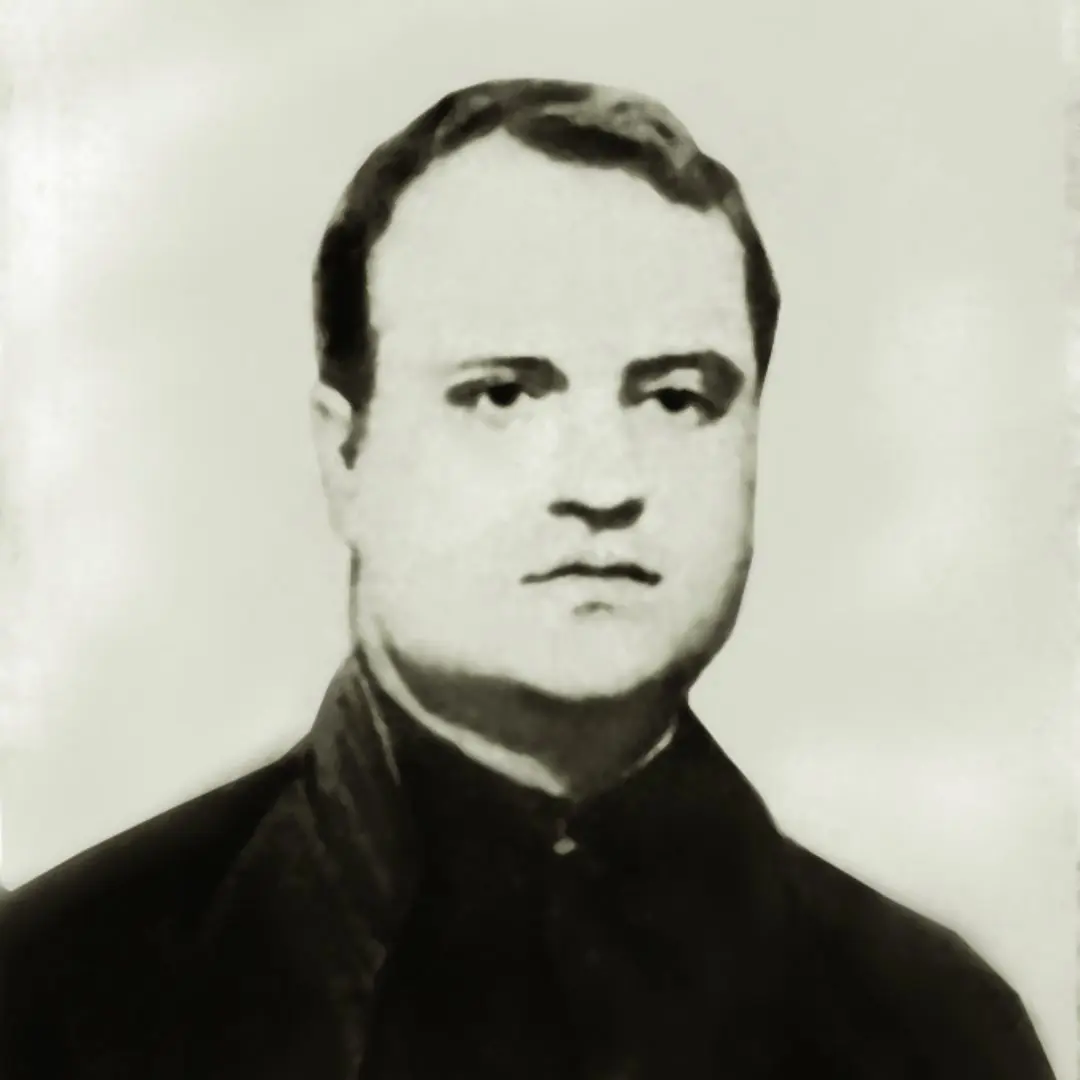
USE #33 TIMELINE
Link to headshot pictures of each.
Belen Jesuit Preparatory School
Luis G. Ripoll, S.J. (1961-1964)
Ceferino Ruiz, S.J. (1964-1966) *He served as President twice.
Richard C. Chisholm, S.J. (1966-1967)
Daniel G. Baldor, S.J. (1967-1972)
Felipe Arroyo, S.J. (1972-1980) * He served as President three times.
Francisco Pérez-Lerena, S.J. (1980-1983)
Marcelino García, S.J. (1983-2009)
Pedro A. Suárez, S.J. (2009-2016)
Guillermo M. García-Tuñón, S.J. (2016-)
Colegio de Belén Presidents
Bartolomé Munar, S.J. (1854-1857)
José María Lluch, S.J. (1858-1862)
Buenaventura Feliú, S.J. (1862-1868)
Andrés Gara Rivas, S.J. (1868-1874)
Ángel Rosendo Gallo, S.J. (1874-1881)
Tomás Ipiña, S.J. (1881-1885)
Isidoro Zameza, S.J. (1885-1889)
Benigno Iriarte, S.J. (1889-1893)
José María Palacio Avellaneda, S.J. (1893-1899)
Vicente Leza, S.J. (1899-1908)
Silverio Eraña, S.J. (1908-1909) ***NOT PICTURED
Fernando Ansoleaga, S.J. (1909-1915)
Antonino Oraá, S.J. (1915-1918)
Pedro Abad, S.J. (1919-1922)
Claudio García, S.J. (1922-1924)
Camilo García, S.J. (1924-1925)
Antonio Galán, S.J. (1925-1930)
Enrique Carvajal, S.J. (1930-1931)
Ignacio Francia, S.J. (1931-1938)
Ramón Calvo, S.J. (1938-1940) (1959-1961)
Daniel G. Baldor, S.J. (1940-1947) (1959)
Ceferino Ruiz, S.J. (1947-1953)
Miguel A. Larrucea, S.J. (1953-1956)
Eduardo Martínez-Márquez, S.J. (1956-1959)